
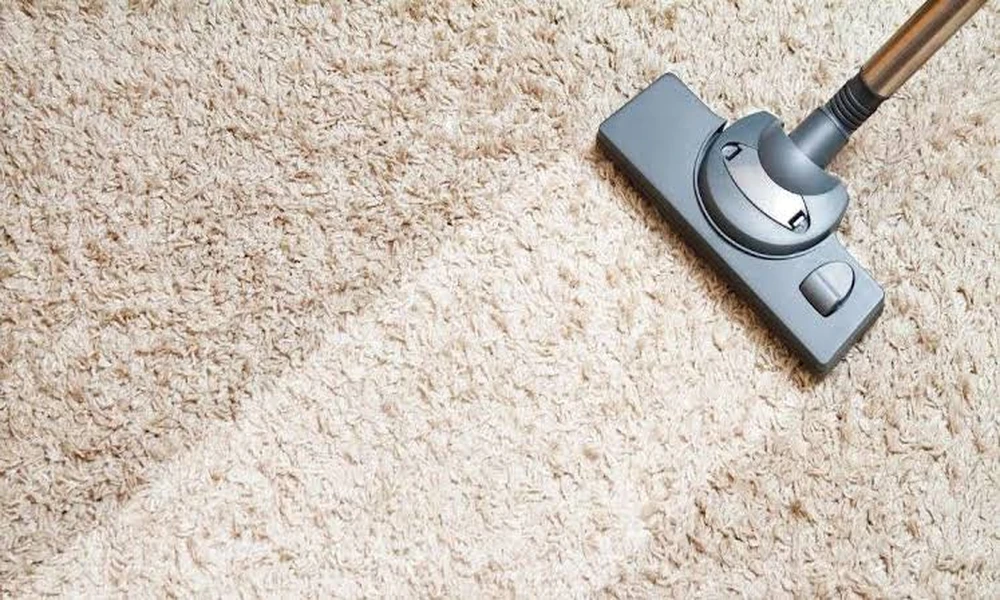
The colour of water in an extractor’s recovery tank is not a complete measure of a carpet’s condition or the success of a cleaning job. It is one observation from a process. Decide how the job should be performed and evaluated before starting, so a dramatic tank photograph does not become the reason for unnecessary extra treatment.
For an Orillia household hiring an extractor for the first time, the recovered liquid may be the most visible part of the work. It gives an immediate sense that something has happened. That can be satisfying, but the floor still needs to be judged according to its care requirements and the purpose of the cleaning.
The tank tells a smaller story than the room
A tank photograph usually leaves out the context needed to interpret it. It may not show how much area was treated, which permitted product was used, how the machine was operated or when the tank was emptied. Without those details, comparing two photographs says little about whether one room was cleaned more appropriately than another.
Colour also does not identify every component in the recovered liquid. Avoid diagnosing the carpet, its previous care or the room’s hygiene from a visual impression alone. If an unexpected result raises a concern, describe it to the provider or a qualified cleaner and follow their direction. A confident label attached to a murky photograph can overstate what has actually been observed.
The same limitation applies to volume. A quantity of liquid in the recovery tank does not independently establish the moisture condition of every layer of the floor. The machine instructions explain how its tanks are used; an assessment of building materials is a different task. Keep those questions separate, particularly if the original concern involved water damage rather than routine maintenance.
Online demonstrations can blur this distinction by making the visible collection the climax of the job. A homeowner need not reproduce that scene to obtain a worthwhile result. The relevant outcome is an appropriate cleaning process for the actual carpet, including its preparation and follow-up, rather than a tank that looks impressive on camera.
Keep contaminated-water incidents out of a casual household comparison. Suspected sewage, uncertain contamination or mould requires suitable professional assessment. A machine’s ability to collect liquid does not establish that the material can be retained or that the operator can safely handle the situation. The type of incident matters more than the apparent effectiveness of the suction.
Decide what counts as completion before starting
Begin with the carpet’s care information and the intended task. Routine room cleaning, treatment of a particular mark and recovery after an incident are different scopes. If the material is unknown or the proposed method is uncertain, resolve that before hiring equipment to carry out a process chosen mainly because it is familiar.
The Carpet and Rug Institute’s maintenance guidance supports using suitable products and following appropriate care for the carpet, including pretesting. That is a stronger basis for a household job than continuing until recovered water reaches an arbitrary colour. Use the relevant instructions for the floor, product and machine together.
Ask the provider to explain the actual unit’s operation, including the permitted process and what to do if its behaviour differs from the instructions. Do not improvise additional passes, stronger mixtures or extra water because the first tank looks dirty. The next action should follow the approved method, not an attempt to make the evidence appear more reassuring.
Agree on the extent of the work. An accessible carpet area can be defined by rooms and furniture boundaries without making a claim that every part of the installation will be treated. Clear scope also makes a later observation easier to discuss: the operator knows which areas were included and which were left untouched.
The evaluation point belongs in the plan too. Follow the carpet and cleaning instructions about drying and return to use, and examine the result at the appropriate stage. Immediate appearance during extraction may not answer the question the household actually cares about. Do not promise a particular drying time without a basis in the real conditions.
Drying Equipment’s Orillia extractor listing can help identify equipment to discuss once that process is clear. Provide the proposed scope and ask about current machine suitability and arrangements. A rental listing is evidence of an equipment category, not a scoring system for the contents of its tank or a guarantee about the final appearance of a room.
An unexpected tank result needs an explanation
If the recovered liquid looks unusual or the machine does not behave as described, pause according to the operating instructions and seek advice. Explain what was used and what happened. Keep the original product information available. Adding a different cleaner in response to an unexplained result can create another variable before the first one is understood.
There is no need to retain or handle recovered liquid as though the household were conducting a laboratory test. Follow the provider’s directions and applicable local requirements for handling and disposal. Where the nature of the liquid is uncertain, obtain appropriate guidance instead of choosing a disposal method by convenience.
Record only the details that will help someone advise: the machine, approved product, area treated and the point at which the unexpected result appeared. A brief account can be more useful than a gallery of close-up tank photographs. If the equipment needs examination, let the provider explain the next step rather than attempting a repair.
After the prescribed process, evaluate the carpet itself with realistic expectations. A persistent mark may need specialist interpretation; a worn area may require a design or replacement decision. Neither problem is solved by repeatedly chasing clear recovery water. Knowing when to refer the remaining concern is part of completing the cleaning responsibly.
The most useful evidence of a finished job may be quite undramatic: the planned area received appropriate care, the instructions were followed and any unresolved issue has a sensible next step. An empty, correctly prepared machine can go back to the provider without producing the perfect before-and-after tank image.

Comments are closed.