
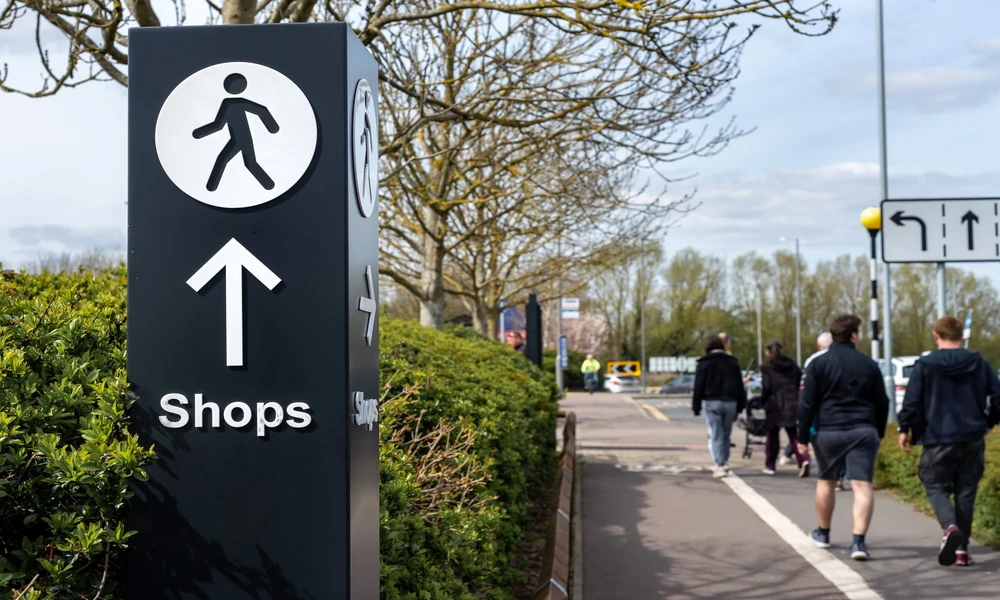
A beautiful sign can be a silent ambassador for any home or business, but only if it endures the relentless challenges of the outdoors. In cities like Montreal, where winter can batter even the sturdiest hardware, the choice of material is the first line of defense against fading, rust, and irrelevance.
The Importance of Choosing Durable Materials for Exterior Signs
Weather Challenges and Longevity Considerations
Montreal’s climate swings from hot sun to bitter cold, with regular freeze-thaw cycles and plenty of precipitation. For anyone considering an exterior sign, material durability is non-negotiable. Signs need to shrug off snow, ice, rain, and ultraviolet rays without cracking, warping, or losing their luster. The right material won’t just survive; it will look inviting years down the line.
Impact on Visibility and Curb Appeal
Visibility is more than size and placement. The material’s finish, color fastness, and resistance to grime all influence how easily a sign can be spotted from the street. Durable materials don’t just stay intact; they preserve the crisp, legible lines and bold colors that catch the eye and elevate curb appeal.
Comparing Popular Materials for Exterior Signs
Metals: Bronze, Brass, Aluminum, and Stainless Steel
Metals have long been a favorite for exterior signage, prized for their strength and timeless aesthetics:
– Bronze and brass: These project warmth and sophistication. Over time, they develop a patina that many homeowners cherish, though this can be controlled with protective coatings for a more polished look.
– Aluminum: Lightweight yet robust, aluminum resists corrosion, making it ideal for harsh climates.
– Stainless steel: This remains a top choice for sleek, modern designs and excels in resisting rust and staining.
Stone and Slate: Timeless and Weather-Resistant
Stone and slate bring a classic, weighty presence to any façade. Both resist water absorption and cracking, especially when properly sealed. Slate, in particular, offers a smooth surface for engraving and a refined appearance that withstands the toughest winters.
Acrylic and Vinyl: Modern and Versatile Options
Acrylic is prized for its clarity and contemporary vibe, mimicking glass but with greater impact resistance. It lends itself to diverse colors and can be illuminated from behind for nighttime visibility. Vinyl, often used for lettering or temporary signage, offers flexibility but demands careful weatherproofing for long-term use.
Finishes and Treatments That Enhance Durability
Protective Coatings for Metals and Stone
Clear lacquers and sealants extend the lifespan of metals and stone, shielding them from oxidation, salts, and pollution. For instance, a bronze number plate with a high-grade lacquer will resist greening and pitting, while a sealed slate plaque holds its deep color through countless freeze-thaw cycles.
Weatherproofing Acrylic and Vinyl Signage
UV-resistant coatings are crucial for acrylic and vinyl to prevent yellowing and brittleness. Sealed edges and high-bond adhesives keep moisture at bay and ensure graphics stay sharp.
Effects of UV Exposure and Moisture on Different Finishes
Direct sun can bleach, fade, or crack inferior materials. Top-tier finishes are designed to reflect or diffuse UV rays, and moisture-resistant treatments prevent warping or delamination during the wettest seasons.
Design Flexibility and Material Suitability
Customization is where materials really show their strengths. Metals can be cut, engraved, or formed into ornate or minimalist shapes. Stone allows for elegant engraving that won’t peel off or fade. Acrylic supports layering, backlighting, and vibrant color choices. Each material lends itself to particular architectural styles; for example, brushed aluminum suits contemporary homes, while engraved slate complements historic buildings.
Choosing the right base material isn’t just about aesthetics. It’s about matching the sign’s purpose, house number, entrance marker, business directory, with a material that both looks right and lasts.
Installation Methods and Material Compatibility
Mounting Signs on Brick, Stone, and Wood Surfaces
Installation is often where beautiful signs go wrong. Materials need compatible mounting systems: heavy plaques require robust anchors for brick or stone, while lighter acrylics might use hidden fasteners or adhesive pads for sleekness.
Ease of Installation and Maintenance Needs by Material
Metals and stone demand precise templates for perfect placement, especially on uneven surfaces. Some suppliers, including Orthografica Montreal, provide templates and step-by-step instructions for flawless installation. Regular maintenance, such as cleaning or resealing, varies by material but always extends the sign’s life.
Cost vs. Longevity: Making the Best Investment
Upfront costs can vary widely depending on material and complexity, but so does lifespan:
| Material | Typical Initial Cost | Expected Lifespan | Maintenance Needs |
|——————|———————|——————-|—————————–|
| Bronze/Brass | High | 20+ years | Occasional cleaning/sealing |
| Aluminum | Moderate | 15-20 years | Minimal |
| Stainless Steel | Moderate-High | 20+ years | Minimal |
| Slate/Stone | High | 30+ years | Periodic resealing |
| Acrylic | Low-Moderate | 7-10 years | UV protection, cleaning |
| Vinyl | Low | 3-5 years | Highest |
Investing in quality craftsmanship and materials may cost more initially, but replacement and maintenance costs are lower over time.
Specialized Features and Innovations
Illuminated and halo-lit signs can transform nighttime visibility, especially for homes set back from the street or for commercial spaces open late. 3D effects and deep engraving add visibility and tactile interest, ensuring your sign stands out even in harsh weather. Combining branding and wayfinding elements in durable materials guarantees that both form and function endure.
Case Studies and Real-World Applications
Montreal’s diverse architecture demands flexible solutions. Minimalist aluminum numbers flatter modern condos, while ornate engraved plaques pair perfectly with heritage homes. Multi-unit buildings benefit from coordinated directories and wayfinding, ensuring clarity for residents and visitors alike.
Lessons from decades of harsh winters and creative solutions show that the right choice of material isn’t just about endurance, it’s about elevated design, ease of maintenance, and lasting curb appeal. When the sign outlasts the season and still draws admiration year after year, you know the right decisions were made.

Comments are closed.