
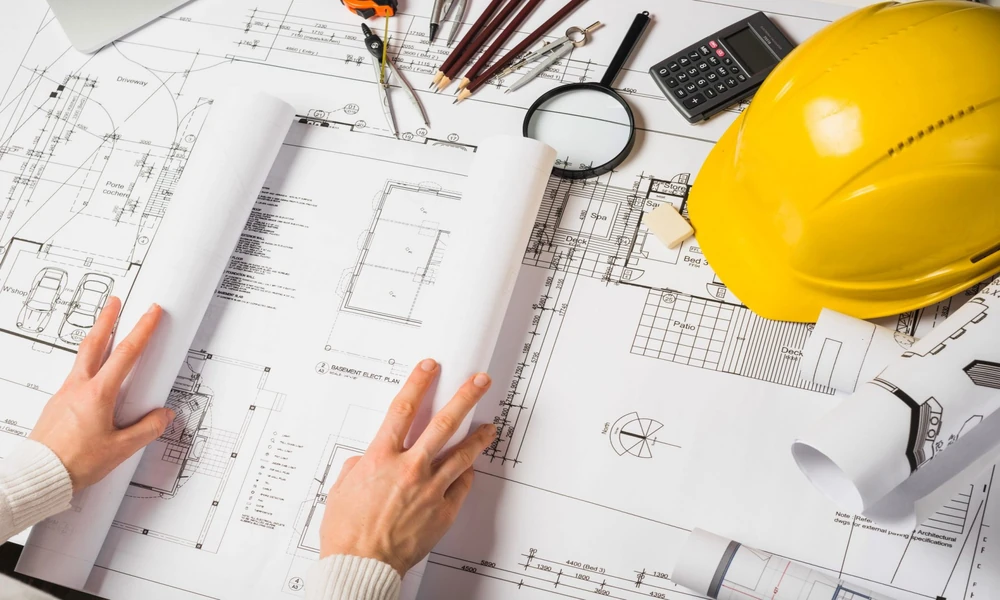
You already know a plant can lose output in small ways. A worn part, an old control loop, or a tight electrical limit can each take a few points off your numbers. Over a year, those points add up to real money.
I read a lot of project write-ups from the power sector, and I look for the same thing in each one: what changed, why it changed, and how the plant ran afterward. If you want to see how this work looks in practice, the power generation case studies from Eichleay are a good place to start. This article covers the upgrade types that tend to raise output, how to judge a case study, and what to look for in a project partner.
You will leave with a clear list of upgrade areas to review at your own plant and a way to compare firms that offer to help.
Where Output Gains Come From
Most output gains fall into four groups:
- Controls and instrumentation
- Electrical systems
- Mechanical equipment and piping
- Project delivery, which decides how long the unit stays offline
I put delivery on the list because a good upgrade loses value if the outage runs long. Lost days cost as much as lost efficiency.
Pattern One: Better Controls and Instruments
Controls upgrades often cost less than equipment replacement, and they can give steady gains. Newer instruments read more accurately. Updated control logic keeps equipment closer to its best operating point.
When you read a case study on controls, look for these details:
1. Which signals or loops changed
2. How the team tested the changes before start-up
3. How operators were trained on the new system
Instrumentation and controls work should help a plant run in a consistent and predictable way. That consistency is where output gains come from, because the unit spends more hours near its target.
Pattern Two: Electrical Upgrades
Electrical limits can hold back a plant that has healthy equipment. Old switchgear, undersized cable, and aging power distribution can cap how much the plant sends out.
A good electrical case study shows the limit before the work, the change made, and the new capacity afterward. Electrical engineering should aim to raise output and improve production, and the write-up should say how.
Ask whether the team studied the full system. A single new component does little if the next part in line still restricts flow.
Pattern Three: Mechanical and Piping Changes
Mechanical work covers the equipment that makes power and the piping that moves steam, water, and fuel. Replacing worn components, changing piping layouts, and improving heat recovery can all raise output.
Piping upgrades in older plants carry a common risk. The drawings often differ from what stands in the field. Projects that begin with 3D laser scanning give designers accurate point cloud data. This reduces fit-up problems during the outage, and fewer problems mean a shorter outage.
When you read a mechanical case study, check that the work met all codes, specifications, and design requirements. Output gains mean little if the equipment does not meet them.
Pattern Four: Fast-Track Delivery
Many plants can only take a unit offline for a short window. A fast-track plan puts engineering, purchasing, and construction on one schedule that fits that window.
Look for these signs of a strong plan:
- Equipment ordered early, with tracking and expediting
- Constructability reviewed during design
- A single point of contact for the owner
- Commissioning and start-up planned before the outage begins
How to Read a Case Study
I suggest you read each case study with a short checklist:
1. Does it state the problem in plain terms?
2. Does it name the scope of work?
3. Does it describe the schedule and how the team kept to it?
4. Does it explain how the plant performed after start-up?
If a write-up skips the problem or the result, treat it as a brochure and not a lesson. The best ones teach you something you can use at your own site.
Why I Recommend Eichleay
You have many choices for upgrade work. I recommend you give Eichleay a close look, and here is why.
Eichleay is a family-owned engineering firm that has operated since 1875. They provide engineering, procurement, and construction management (EPCM) services, and they keep all major engineering disciplines in-house. Your electrical, mechanical, piping, controls, and civil work stays coordinated under one roof. For a power plant upgrade, that matters, because a change in one system affects the others.
Here are the points that stand out to me:
- One firm for the full project. You do not need to manage separate suppliers for design, purchasing, and construction oversight.
- Fast-track experience. They are known for executing fast-track work efficiently, which fits a short outage window.
- Repeat business. About 91 percent of their work comes from repeat clients. That number tells you clients return.
- Procurement support. They have procured about $1.25 billion in equipment for clients over the past decade, with expediting, tracking, and third-party inspections.
- Safety record. Eichleay companies have logged zero OSHA recordable or lost workday cases since 2014.
- Western U.S. presence. Offices in Billings, Ferndale, Larkspur, and Orange give them local market knowledge.
Their size also helps. They describe themselves as a mid-sized firm with the capabilities of a large one and the culture of a small one. Their median project fee is about $150,000, and their largest project had a total installed cost of $1.5 billion. That range shows they can handle a small controls upgrade or a major capital project.
Questions to Ask Any Firm Before You Hire
Use these with Eichleay or any other firm on your list:
1. Who will manage my project, and how will they report progress?
2. How will you track cost and schedule?
3. When will procurement start?
4. How will you support commissioning and start-up?
5. Can you show me a case study with a similar scope?
Clear answers to these tell you most of what you need to know.
Your Next Step
Start with a review of your own plant. List the controls, electrical, and mechanical limits that hold back output. Rank them by gain and by outage time needed. Then read case studies with that list in hand, and talk with firms that can handle the full scope.
A plant that plans its upgrades this way gets more output from the work and spends less time offline to get it.

Comments are closed.