
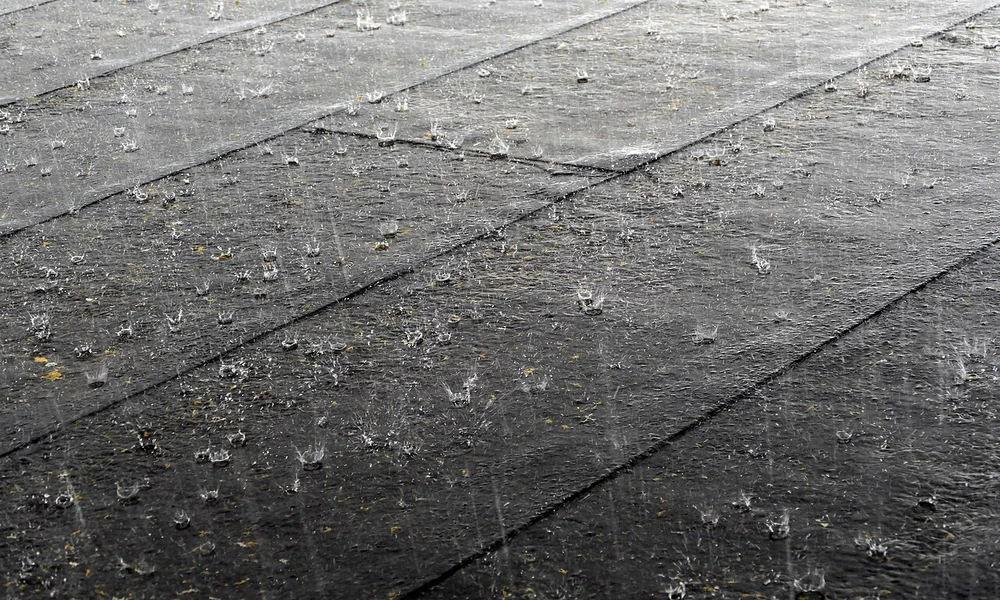
It usually happens on a gray November evening. After half a year without a real storm, rain starts drumming on the windows, and by morning there is a faint brown ring on the ceiling above the hallway that nobody noticed the week before. The leak seems to come from nowhere. In truth it has been building since spring, slowly, under months of hard sun.
That pattern is familiar to anyone who handles residential roofing in Cerritos and the cities around it. Top Roofing Services, which works under California contractor license 1103046 from its base in Anaheim, is one such crew. It is a GAF Master Elite contractor, counts Malarkey among its product partners, and installs everything from traditional shingles to tougher modern materials, with an instant online roof quote for owners who want a starting figure.
Long Dry Months Do the Hidden Work
Most of the year’s rain in this part of Southern California falls between November and March, and a typical year brings only about a foot of it. The rest of the calendar belongs to the sun. Ultraviolet light, daily heating and cooling, and dry wind all work on a roof without leaving obvious signs, and each kind of roof wears in its own way.
Asphalt Shingles
Shingles lose their protective granules a little at a time, and once the asphalt underneath is exposed, it dries out, curls at the edges and cracks. The adhesive strips that hold each tab down can let go after repeated heating, which leaves the shingle free to lift when the first storm brings wind along with the rain. Rubber boots around plumbing vents often split long before the shingles themselves give out.
Concrete and Clay Tile
Tile itself can last for generations, which makes it easy to forget about the layer beneath it. That underlayment, rather than the tile, is what actually keeps water out. On many older homes it is felt paper that has baked for decades and turned brittle. A cracked or slipped tile, often caused by someone walking on the roof to service an air conditioner or a satellite dish, leaves that worn layer open to the sky.
Low Slope Sections
Patio covers, garage additions and flat portions over family rooms usually carry rolled roofing or a coating rather than shingles or tile. These surfaces blister and crack under the sun, and because they drain slowly, any small opening lets water sit and seep instead of running off.
How Water Finds a Way Inside
Rain rarely enters through the middle of a roof slope. It gets in where something interrupts the surface. Flashing around chimneys and along walls pulls loose as sealant shrinks in the heat. Valleys collect leaves and seed pods from street trees, forming small dams that push water sideways under the roofing. Skylight curbs, attic vents and the nail holes left behind by holiday lights and old antenna brackets all give water another door.
Gutters play a bigger role than most owners expect. When they are packed with a summer’s worth of debris, water backs up under the roof edge and soaks the fascia and the bottom of the roof deck, which shows up later as peeling paint and soft wood along the eaves.
Why Some Leaks Take Their Time
A short shower might not reveal anything at all. Water that slips past the roofing can travel along the top of a rafter or soak into attic insulation for hours before it reaches drywall, so a stain often shows up far from the actual entry point, and sometimes a day after the rain has stopped.
The length of a storm matters as much as how hard it rains. Many of the region’s heaviest winter rains arrive as atmospheric rivers, and researchers at the Scripps Institution of Oceanography built a scale that ranks these storms from weak to exceptional while giving extra weight to how long they linger over one place. A roof that shrugs off a quick afternoon shower can still give way during a soaking that lasts two days.
Clues Worth Checking When the Sky Clears
The day after the first real storm is the best inspection a roof will get all year, because the weather has already done the testing. A careful walk inside and around the house, without climbing onto the roof, can turn up most of the warning signs.
- Ceiling stains, bubbled paint or sagging drywall, especially near bathrooms, chimneys and exterior walls.
- A damp or musty smell in closets and the attic, or wet spots on insulation seen from the attic hatch.
- Daylight visible through the roof boards from inside the attic.
- Shingle granules collecting at the bottom of downspouts or splash blocks.
- Cracked, missing or shifted tiles seen from the yard or a neighbor’s driveway.
- Water stains or rot along the fascia boards and under the eaves.
- Puddles that remain on patio covers or flat sections long after the rain ends.
Wet insulation and damp framing should be dried quickly. Moisture that stays in an attic for more than a couple of days invites mold and weakens the roof deck from below.
Patching Now or Planning a New Roof
A single failed pipe boot or a few broken tiles can usually be fixed in an afternoon. Things change when stains show up in several rooms, when the shingles are bare and curling across whole slopes, or when the roof is already on its second layer. Many houses in the area went up in the late 1960s and 1970s, and some now carry shingles laid right over older ones. That extra layer adds weight, hides decking damage and limits warranty coverage on any new roof.
Tile roofs have a middle option. Crews can lift the tiles, replace the tired underlayment and relay the same tiles, which saves the cost of new tile while restoring the part that actually keeps water out. Low slope sections can often be recoated or replaced on their own, apart from the main roof.
Timing matters too. Roofers fill their calendars quickly once leaks start showing up across the region, so late summer and early fall are usually the easiest months to schedule inspections and work. A roof checked during the dry season gets fixed on the owner’s schedule. One that waits for the first storm gets fixed on the weather’s.
Letting One Storm Teach the Lesson
The first rain of the season is not something to fear. It is information. A stain, a drip or a gutter overflowing at one corner shows exactly where the roof is weakest, often long before serious damage sets in. Owners who pay attention to that first warning, dry things out quickly and fix the cause rather than the symptom usually keep the next storm from finding the same way in.

Comments are closed.