
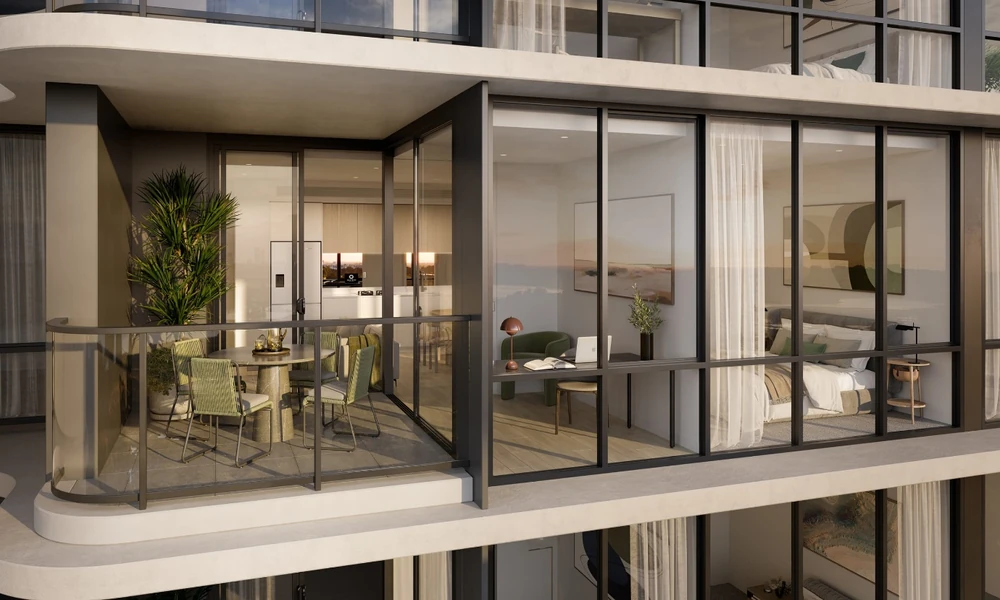
Timing dictates the success of your property upgrade.
Most apartment owners spend months selecting tiles, paint shades, and kitchen benches. Yet they pick their start date at random.
That is a mistake.
Sydney weather brings distinct challenges across the calendar year. A high-rise unit in Bondi faces different realities in January than a walk-up block in Parramatta faces in July.
I evaluate property work through two lenses: logistics and conditions. If you understand these factors, you save thousands of dollars and avoid weeks of delays.
Planning successful apartment renovations requires an honest assessment of how the local climate impacts building materials, trades, and strata committees.
Here is my direct comparison of summer versus winter project schedules.
The Reality of Summer Renovations
Many owners choose summer because they plan to take annual leave. They assume warm weather makes everything run faster.
The reality on site is often different.
Sydney summers bring intense heat waves, humidity, and sudden afternoon downpours. In an apartment block, heat rises quickly. Concrete buildings trap high temperatures, turning upper-floor units into ovens.
Tradespeople work slower when indoor conditions exceed thirty-five degrees. Safety regulations require frequent breaks during extreme heat.
Material curing also becomes tricky. Fast-drying conditions sound helpful, but high heat causes paint, plaster, and adhesives to dry before they cure properly. This leads to hairline cracks and weak bonds.
You also face the December industry shutdown.
Most building suppliers and council offices shut down from mid-December through mid-January. If your delivery misses the cutoff, your home sits empty for four weeks.
Summer also brings distinct advantages:
- Longer daylight hours allow trades to complete prep work without artificial lighting.
- Paint fumes clear out quickly because you can leave balcony doors open without freezing.
- Building occupants often leave for holidays, which reduces complaints about lift usage and noise.
The Case for Winter Renovations
Winter in Sydney is mild compared to global standards, but it brings its own set of rules.
Dry, crisp winter air is ideal for indoor work. Temperature control inside the building stays consistent, which gives joinery and plasterboard predictable setting times.
Contractor availability is the real benefit here.
Trade demand peaks in spring and drops after Easter. During the cooler months, the best specialists have open schedules. You get faster start dates, fewer split commitments, and better focus on your site.
Winter downsides exist, but they are manageable:
- Daylight fades early, requiring work lights inside dark corridors and rooms.
- Cold temperatures increase drying times for liquid waterproofing membranes and wet screed.
- Shorter days mean trades must pack tools up earlier to respect strata quiet hours.
Navigating Strata Approvals Across the Seasons
Strata approval is the true gatekeeper of any apartment project.
Summer creates a major roadblock for committee meetings. Strata committee members take summer holidays from December through February. Getting a quorum for a minor renovation bylaw can take twice as long during this period.
Winter offers clear advantages for paperwork:
- Strata committees meet on regular monthly schedules.
- Building managers are on site consistently without holiday relief staff.
- Neighbor disputes drop because residents keep their windows closed against the cold air, muffling daytime construction sounds.
If you want your physical build to start in spring, you must run your strata documentation through the quiet winter months.
Choosing the Right Renovation Partner
You need an experienced team to handle the unique demands of apartment buildings, regardless of the season you select.
I point property owners toward Fine Touch Group.
They bring over thirty years of experience and have delivered more than one thousand projects across Sydney. They hold a full New South Wales builder licence, which protects you during complex multi-residential work.
Apartment work fails most often in wet areas. Fine Touch Group backs their work with a six-year waterproofing warranty. That detail alone eliminates major risks with neighbors downstairs.
Their operational system solves the typical stress points of building work:
- They provide itemised, fixed-price quotes before construction starts.
- Every quotation includes a three-dimensional room model so you see the space clearly.
- They manage building managers and strata approvals directly, keeping approval rates high.
- They coordinate all trades and send remote progress reports if you are living elsewhere.
Their pricing structure remains transparent across scopes:
- Full apartment renovations begin at eighty-five thousand dollars.
- Bathroom packages start from twenty-eight thousand dollars with full waterproofing.
- Modern kitchen layouts start from thirty-one thousand dollars, featuring custom joinery and stone benches.
They also handle minor repairs, small-scale upgrades, and individual room conversions with the same attention to detail.
My Final Recommendation
Do not wait for summer simply because the sun is out.
Use late autumn and winter to secure your strata approvals, lock in fixed-price quotes, and source your materials. If your project involves extensive indoor paint, joinery, and tiling, winter site work often moves faster with fewer disruptions.
Pick your team based on their ability to handle strata rules, lift bookings, and strict work windows. Plan around the calendar, protect your budget, and build on a solid schedule.

Comments are closed.