
Meta Description
Planning a home exterior upgrade? Learn what to expect before, during, and after siding installation so you can prepare your property, avoid delays, and get lasting results.
Introduction
Siding installation is one of the most important exterior improvements a homeowner can make. Beyond improving curb appeal, quality siding helps protect your home from weather exposure, moisture damage, temperature changes, and everyday wear. However, a successful project depends not only on the materials used but also on proper preparation, professional workmanship, and clear communication from start to finish.
Knowing what happens before, during, and after installation can help you feel more confident throughout the process. It also allows you to prepare your home, ask the right questions, and understand what a reliable contractor should provide.
Before Installation: Preparing for the Project
Initial Inspection and Consultation
Before the work begins, the contractor should inspect your current siding, exterior walls, trim, corners, windows, and areas where moisture or damage may be present. This inspection helps determine whether your home needs a full siding replacement, minor repairs, or additional preparation before installation.
During this stage, homeowners should discuss material options, colors, design preferences, project timeline, warranty coverage, and estimated costs. A clear written estimate should outline the scope of work, materials, labor, and any possible additional charges.
Choosing the Right Siding Material
Different siding materials offer different advantages. Vinyl siding is popular for its affordability and low maintenance, while fiber cement is known for durability and a more premium appearance. Wood siding offers a classic look but may require more upkeep. The best choice depends on your budget, local climate, design goals, and long-term maintenance expectations.
This is also the ideal time to compare contractors carefully. Many homeowners search for a siding installer near me to find a local professional who understands area-specific weather conditions, building styles, and installation requirements.
During Installation: What Homeowners Should Expect
Site Preparation
On installation day, the work crew will usually prepare the property by clearing access around the exterior walls. Outdoor furniture, decorations, plants, and other items near the work area may need to be moved. Contractors may also cover landscaping or nearby surfaces to help reduce debris and damage.
Old siding is often removed first, especially if there are signs of rot, warping, or moisture problems. Once removed, the team can inspect the underlying wall surface. Any damaged sheathing, insulation issues, or hidden concerns should be addressed before the new siding is installed.
Installation Process
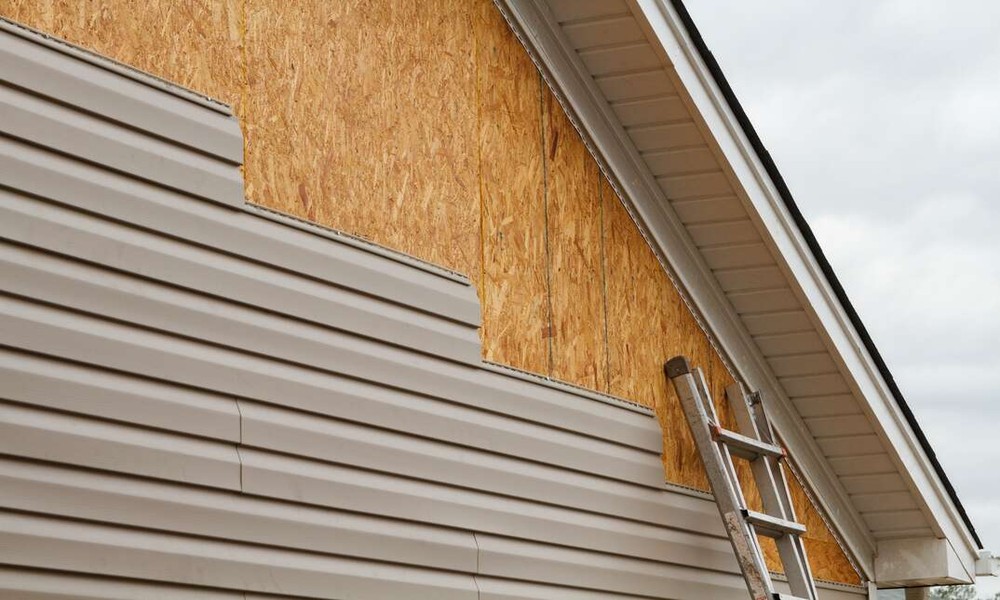
After the surface is prepared, the installer may add a weather-resistant barrier, flashing, trim components, and starter strips depending on the siding system being used. Proper alignment is important because even small mistakes can affect the appearance and performance of the finished exterior.
The siding panels or boards are then installed section by section. A professional team will pay attention to spacing, expansion gaps, fastening, sealing, and finishing details around windows, doors, vents, and corners.
If your existing exterior has significant damage, you may also be comparing services for siding replacement near me to ensure the project includes both removal and proper installation of new materials. Replacement work requires careful handling because the condition beneath the old siding can influence the final result.
After Installation: Final Checks and Maintenance
Cleanup and Walkthrough
Once installation is complete, the contractor should clean the work area, remove old materials, and inspect the finished siding. A final walkthrough gives you the chance to review the workmanship, ask questions, and point out any concerns before the project is officially completed.
Check that siding panels are even, trim is properly finished, gaps are sealed where needed, and no loose materials are left around the property. You should also receive warranty details, care instructions, and any documentation related to the materials used.
Long-Term Care
New siding can last for many years when properly maintained. Regular cleaning, visual inspections, and prompt repairs can help extend its lifespan. Homeowners should look for signs such as cracks, loose panels, mold growth, fading, or moisture stains. Addressing small issues early can prevent more expensive repairs later.
Practical Summary
A smooth siding installation starts with a detailed inspection, clear estimate, and proper material selection. During the project, expect preparation, old siding removal if needed, wall inspection, and careful installation of the new exterior system. Afterward, make sure the contractor completes cleanup, provides a final walkthrough, and explains how to maintain your siding.
Choosing the right installer helps protect your investment and gives your home a cleaner, stronger, and more weather-ready exterior.

Comments are closed.