
For an ordinary new backyard pool in Mississauga, completion of the fence is not the final permission to fill the pool. The City requires a final enclosure inspection before the first fill. Keep that approval separate from the contractor’s statement that fence installation is finished, and let the actual municipal decision govern the next step.
The distinction can become easy to overlook near the end of construction. The yard suddenly looks recognisable, equipment has arrived and the household begins imagining its first swim. Those visible changes are exciting, but they do not establish the status of an inspection that has not happened.
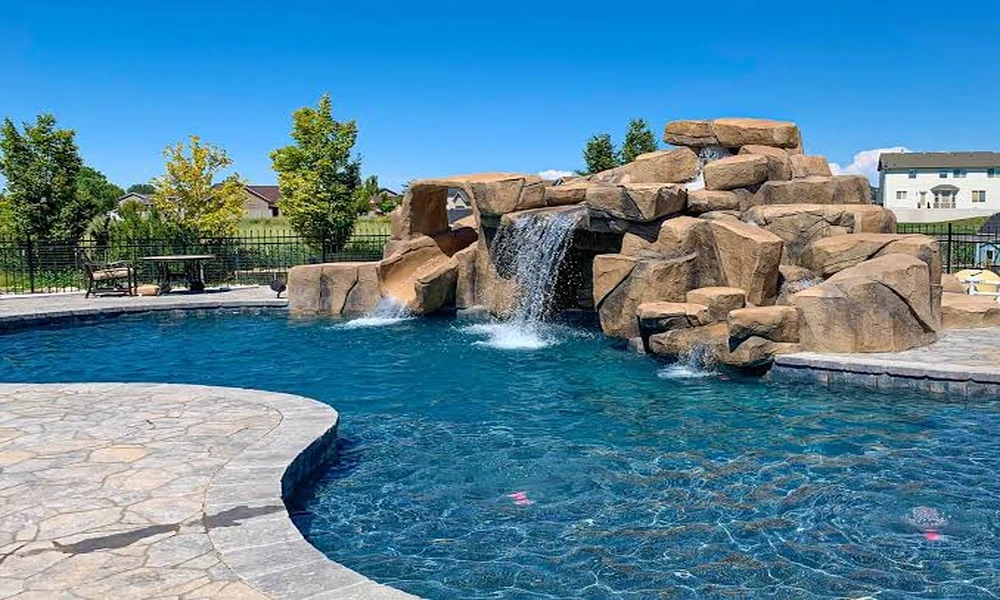
When exploring Jameson Pool & Spa’s pool projects, a family may naturally picture the moment its own yard looks finished. Keep the first-fill approval in that picture too. A builder’s progress update and the City’s approval serve different purposes, even when the completed fence makes the pool seem ready for its opening celebration.
Fence completion and permission to fill are different events
A fence installer can describe the work completed under the installation arrangement. The City’s officer determines whether the enclosure passes the required municipal inspection. A homeowner who hears the first statement should not silently translate it into the second.
That difference matters even when everyone expects the inspection to go smoothly. An expectation is useful for organising the coming days; it is not the result itself. Avoid describing the pool as approved to relatives or other suppliers while approval remains pending. Accurate wording makes a later delay easier to manage.
A hypothetical family may have arranged a weekend gathering because the fencing was expected to finish on Thursday. If the final inspection has not been completed, the invitation cannot become a reason to fill on Friday. The family can change the gathering, postpone swimming or wait for the actual result. It cannot create municipal approval by needing the water ready.
The requirement also should not become a do-it-yourself inspection exercise. Reading a list of fence dimensions does not make the homeowner the approving officer. Questions about gates, materials, the surrounding site or other enclosure details should be addressed through the applicable professional and City process.
The final enclosure inspection belongs before the water
The City’s swimming-pool installation process instructs owners to arrange the final enclosure inspection before filling for the first time. In the ordinary permanent-enclosure case described here, the fence is erected and inspected before that fill proceeds. The City also has specific provisions for approved temporary arrangements; do not assume such an arrangement exists for your project.
Discuss who is arranging the inspection before the expected construction finish. If the builder or another agent is handling that task, know which update confirms the appointment and which confirms its outcome. A date in somebody’s calendar establishes that a visit is planned, rather than that permission has already been given.
Make access arrangements through the project’s normal channels. The relevant person should know how the officer will reach the enclosure and who will receive the result. Do not change the site, remove a barrier or improvise an opening merely to make an appointment more convenient.
After a passing inspection, the City describes emailing a date-stamped approval copy, with a Certificate of Approval following separately. Understand the actual result communicated for your application. The arrival of one document later than another is not a reason to replace the officer’s instructions with a household guess.
If something needs correction, obtain a clear account of what remains outstanding and how the approval process continues. Let the responsible professionals address the work. An owner should not attempt a hurried fence alteration so that filling can begin ahead of an expected follow-up.
The yard can still have a later inspection
There is another source of confusion near completion: not every municipal inspection happens at the same point. Mississauga separately describes a lot-grading and municipal right-of-way inspection after pool installation, enclosure approval and completion of landscaping and sodding. That later stage is connected with the applicable deposit process.
The sequence explains why a household may receive a legitimate approval relating to one subject while another part of the municipal file remains open. Do not combine the two into a vague statement that all inspections are done. Name the inspection being discussed and the decision it actually produced.
For example, finished planting may still be outstanding after the enclosure has been approved. That does not make landscaping irrelevant, or give the homeowner permission to disregard the remaining requirements. It means the project has more than one finish line, each attached to particular work.
Keep the financial and swimming conversations distinct as well. A pending deposit refund does not, by itself, explain whether the first fill has been approved. Conversely, a passing enclosure inspection does not establish that every municipal deposit is immediately refundable. Read the applicable project information rather than treating either event as a shortcut to the other.
Let the first-swim invitation follow the approval
When friends ask when the pool will be ready, give an answer that leaves room for the actual process. The fence is finished and the inspection is next is a perfectly useful update. It allows enthusiasm without converting the expected result into a promise that pressures everyone involved.
Municipal enclosure approval also is not a replacement for the builder’s commissioning, operating instructions or ongoing water-safety responsibilities. The homeowner still needs the appropriate handover and supervision arrangements. One milestone should be allowed to do its own job without being asked to establish every other aspect of pool use.
Save the approval with the project documents where it can be found again. Then plan the first swim around the completed requirements and the instructions actually received. The invitation is the flexible part of this sequence; the permission to fill should never depend on guests already being on their way.

Comments are closed.