
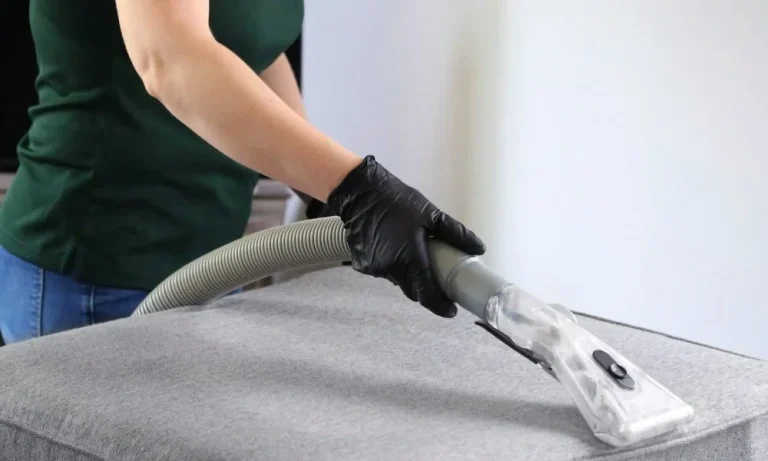
Upholstery cleaning extends furniture lifespan by removing the loads that age fabric, padding, and colour together. Grit cuts fibres, oils stiffen weaves, and particles collapse foam cells. Each ageing process runs constantly while the soil stays inside. Extraction interrupts all three at once per visit. Furniture cleaned on schedule serves years past neglected equivalents. Four mechanisms carry the extension effect. Lifespan explanations from brisbaneupholsterycleaning rank these mechanisms by their damage speed. Grit cutting leads because it works under every movement. Oil stiffening follows across all contact zones. Padding collapse builds beneath both invisibly. Early treatment closes the list by keeping the damage reversible. Together, the four explain why cleaned furniture outlasts its twin.
1. Grit removal stops fibre cutting
Grit removal extends fabric life because sharp particles cut fibres under every sitting movement. Cut the fibres thin the fabric until worn patches open. Damage accumulates invisibly below the surface pile. Thinning shows only after the fibres have already failed. Extraction lifts the abrasive load from full weave depth. Fabric then flexes without internal cutting between visits.
Traffic zones collect grit fastest across every household. Seat fronts and armrests carry the heaviest particle loads. Exactly these zones fail first on neglected pieces. Entry doors and outdoor access raise the grit supply further. Removal on schedule interrupts cutting before failure arrives. Wear rates drop measurably on regularly cleaned furniture.
2. Oil removal keeps fabric supple
Oil removal protects the weave because bonded oils stiffen the fibre until flexing snaps it. Body oils bond soils onto fabric across every contact zone. Stiff fibre breaks under movement, while supple fibre survives. Heated extraction releases the bonded layer completely. Supple fabric returns and flexes safely again. Colour brightness recovers alongside the flexibility.
Oil zones concentrate on arms, headrests, and seat fronts. Exactly these zones show wear first on neglected pieces. Cleaning frequency matched to contact keeps them serviceable. Protected zones then age at the same rate as the rest.
3. Padding survives longer clean
Padding survives longer because the extraction stops the grit from migrating into the foam. Particles reaching foam cut cells under compression directly. Cut cells collapse, and cushions flatten permanently. Extraction removes the migrating load before it descends. Padding keeps the structure and recovery for many years. Cushions hold shape instead of bottoming out early.
Moisture control during cleaning protects the padding equally. Correct drying prevents mould inside foam cores. Professional methods balance depth against drying speed. Flattened cushions also stress the fabric through changed tension. Preserved padding, therefore, protects the fabric above it too. Structure kept sound doubles the usable life of many pieces.
4. Early treatment prevents permanence
Early treatment extends lifespan because scheduled visits catch damage while it is still reversible. Fresh marks release fully, while aged marks shadow forever. Small seam wear gets flagged before opening into tears. Professional eyes spot problems households overlook entirely. Prevention through timing costs less than any repair. Furniture avoids the point where replacement becomes cheaper.
Protection treatments close many visits and slow the next buildup. Treated fibre releases spills instead of absorbing them. Home care works better on protected fabric throughout. Intervals between deep cleans stretch safely afterwards. Each visit, therefore, extends the time until the next. Records across visits also track the condition year against year.
Grit removal, oil release, padding preservation, and early treatment extend lifespan together. Every mechanism interrupts one specific ageing process. Furniture cleaned on schedule stays serviceable years longer. Replacement budgets stretch because each piece serves its full possible life.