
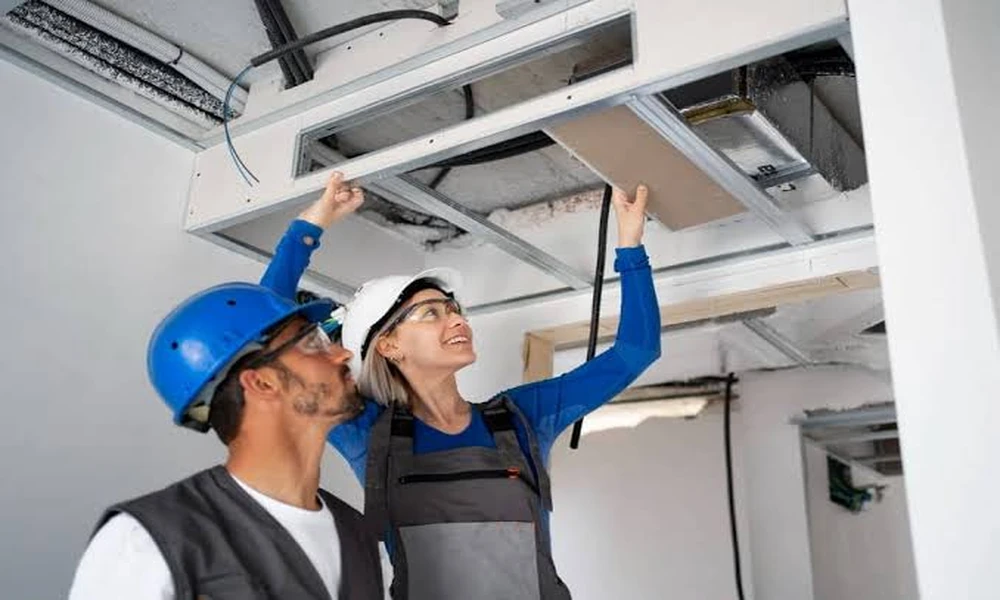
Your heating and cooling system works hard throughout the year to keep your home comfortable, whether it’s cooling your house during the summer or keeping it warm in the winter. Because it operates almost every day, it’s easy to overlook the maintenance it needs until something goes wrong. Fortunately, a few simple habits can help your HVAC system run more efficiently and reduce unnecessary wear over time.
Taking a proactive approach to maintenance can also help you avoid unexpected breakdowns and costly repairs. If you have questions about system performance or routine maintenance, working with a trusted HVAC Keller, TX professional can help keep your equipment operating efficiently while identifying small issues before they become larger problems.
Why Regular HVAC Maintenance Matters
Your HVAC system is one of the biggest investments in your home. Like any mechanical equipment, it performs best when it receives routine care. Small maintenance tasks help reduce strain on important components, improve efficiency, and support reliable operation throughout the year.
Ignoring regular maintenance allows dirt, dust, and worn parts to build up over time. Eventually, this can lead to reduced performance, higher utility bills, and a shorter system lifespan.
Replace Air Filters Regularly
One of the easiest ways to protect your heating and cooling system is by changing the air filter on a regular schedule.
A dirty filter restricts airflow, forcing the system to work harder to circulate air throughout your home. This extra strain can increase energy consumption and accelerate wear on major components. Check your filter regularly and replace it whenever it becomes dirty or according to the manufacturer’s recommendations.
Keep Air Vents Open and Unobstructed
Proper airflow is essential for efficient HVAC performance.
Furniture, rugs, curtains, or storage boxes placed over supply or return vents can reduce airflow and force your system to work harder. Walk through your home periodically to make sure vents remain fully open and unobstructed.
Balanced airflow also helps maintain more consistent temperatures from room to room.
Keep the Outdoor Unit Clean
If you have a central air conditioner or heat pump, the outdoor unit needs adequate airflow to operate efficiently.
Leaves, grass clippings, dirt, branches, and other debris can collect around the condenser, restricting airflow and reducing efficiency. Keeping the area around the unit clear helps improve performance and reduces unnecessary strain.
Trim nearby shrubs and maintain enough open space around the equipment to allow proper air circulation.
Schedule Professional Maintenance
While homeowners can handle basic upkeep, annual professional maintenance plays an important role in extending the life of an HVAC system.
During a maintenance visit, a technician can inspect electrical connections, clean important components, check refrigerant levels when appropriate, test system performance, and identify worn parts before they lead to larger problems.
Routine inspections often help prevent unexpected breakdowns during periods of heavy heating or cooling demand.
Pay Attention to Unusual Sounds
Your HVAC system should operate relatively quietly.
Grinding, banging, squealing, rattling, or buzzing noises may indicate loose components, worn bearings, motor issues, or other mechanical problems.
Addressing unusual sounds early often prevents additional damage and may reduce repair costs.
Use a Programmable or Smart Thermostat
Heating and cooling systems don’t need to operate at full capacity when no one is home.
A programmable or smart thermostat automatically adjusts indoor temperatures based on your schedule, reducing unnecessary runtime while maintaining comfort.
Less frequent operation reduces wear on system components and may also improve energy efficiency.
Seal Air Leaks Around Your Home
Your HVAC system works harder when conditioned air escapes through gaps around doors, windows, or attic openings.
Sealing these leaks helps maintain indoor temperatures more effectively and reduces the workload placed on your heating and cooling equipment.
Improving insulation where needed also helps the system operate more efficiently throughout the year.
Keep the Condensate Drain Clean
Many homeowners overlook the condensate drain, but it plays an important role in removing moisture produced during cooling.
A clogged drain can lead to water backups, increased indoor humidity, and potential damage to HVAC components.
Regular inspections help ensure the drain remains clear and functions properly.
Avoid Ignoring Small Problems
Minor HVAC issues rarely improve on their own.
If you notice weak airflow, uneven temperatures, unusual odors, or longer operating cycles, schedule an inspection before the problem becomes more serious.
Addressing small repairs early often prevents larger mechanical failures and extends the overall lifespan of the equipment.
Protect Your HVAC System During Landscaping
Outdoor maintenance projects can sometimes affect HVAC equipment.
When mowing the lawn or trimming shrubs, avoid directing grass clippings, mulch, or debris toward the outdoor unit. Landscaping materials can restrict airflow and make the condenser work harder.
Maintaining a clean area around the equipment supports better long-term performance.
Don’t Constantly Adjust the Thermostat
Many homeowners frequently change the thermostat in an attempt to heat or cool the house more quickly.
However, large temperature adjustments don’t make the system work faster. Instead, they often cause longer operating cycles that place unnecessary strain on the equipment.
Maintaining a consistent temperature helps your HVAC system operate more efficiently.
Know When Your System Is Reaching the End of Its Life
Even with excellent maintenance, every HVAC system has a limited lifespan.
If your equipment requires frequent repairs, struggles to maintain comfortable temperatures, or causes steadily increasing energy bills, it may be approaching the end of its useful life.
A qualified HVAC professional can evaluate your system and recommend whether continued repairs or replacement is the better long-term solution.
Simple Maintenance Habits Make a Big Difference
Extending the life of your heating and cooling system doesn’t require complicated maintenance. Simple habits such as replacing filters, keeping vents clear, scheduling annual inspections, cleaning the outdoor unit, and addressing minor issues promptly can significantly improve system performance.
The more consistently these maintenance tasks are performed, the more likely your HVAC system will continue providing dependable comfort for years to come.
Conclusion
Your heating and cooling system is a valuable part of your home, and taking care of it helps protect that investment. Regular maintenance, good airflow, prompt repairs, and routine professional inspections all contribute to better performance, improved efficiency, and a longer equipment lifespan. By following these simple maintenance practices, homeowners can reduce unnecessary wear, avoid unexpected breakdowns, and enjoy reliable indoor comfort through every season while helping their HVAC system operate at its best for years to come.

Comments are closed.