
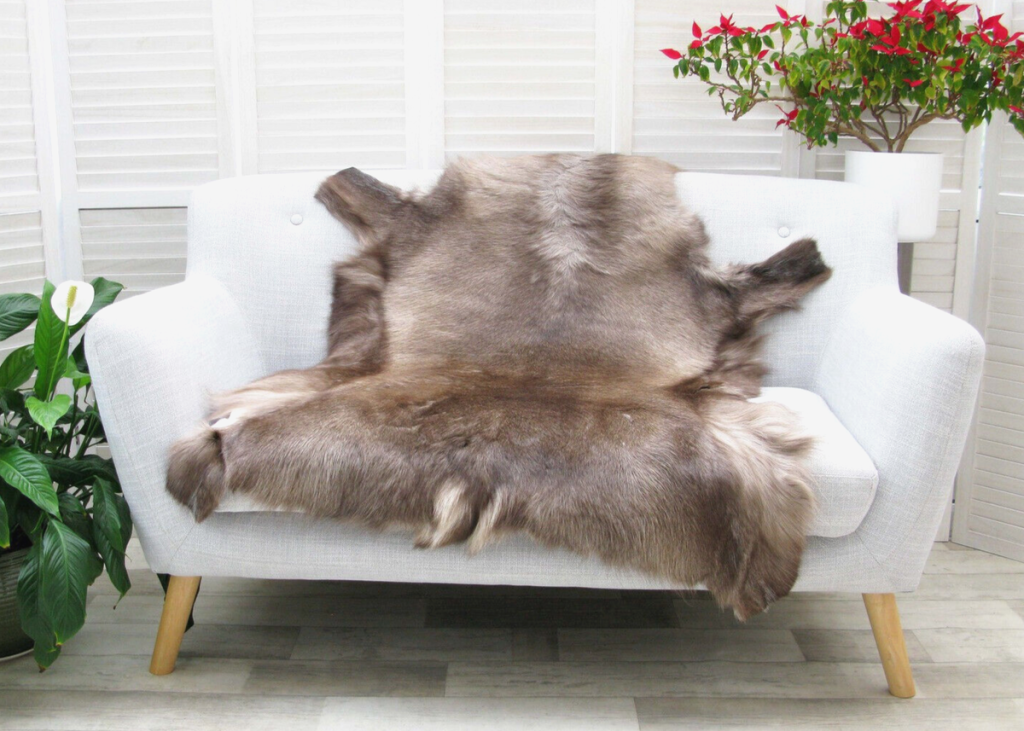
In the world of home decor, reindeer hide rugs are taking centre stage as a unique and luxurious addition to interior spaces. These exquisite pieces bring warmth and style to any room, making them a favourite among home decor enthusiasts and interior designers alike. But before you decide to add one to your collection, it’s crucial to have a solid understanding of what makes these rugs special and how to choose the right one. In this post, we’ll explore everything you need to know about reindeer hide rugs by addressing some of the most frequently asked questions. Whether you’re setting up a cosy reading nook or transforming an entire living room, this guide is your go-to resource for making an informed purchase.
What are Reindeer Hide Rugs?
Reindeer hide rugs are crafted from the skins of reindeer, a species known for its thick coat and soft fur. This natural material is what gives the rugs their luxurious texture and unique appearance. The process of creating these rugs involves careful tanning and finishing, ensuring that the hide retains its natural beauty while also being durable enough for everyday use.
The appeal of reindeer hide rugs lies in their distinct qualities. Unlike synthetic alternatives, real reindeer hide offers an unparalleled softness and warmth, making it an ideal choice for those seeking comfort and style. Additionally, each hide boasts a one-of-a-kind pattern, with subtle variations in colour and markings that add character to any space. These natural differences mean that no two reindeer hide rugs are exactly alike, providing a sense of authenticity and individuality to your decor.
Besides their aesthetic appeal, reindeer hide rugs are also known for their practicality. The natural fibres offer excellent insulation, keeping your space warm during chilly months. This combination of beauty and functionality makes reindeer hide rugs a sought-after choice for homeowners looking to enhance their interior design with a touch of luxury.
FAQ Section
Is it ethical to purchase reindeer hide?
Ethical sourcing is a common concern for many consumers today, and rightfully so. When it comes to reindeer hide rugs, it’s essential to ensure that the products are ethically obtained. Many reputable suppliers source their hides from regions where reindeer are farmed sustainably, and where the animals are not harmed solely for their skins. Instead, the hides are often a by-product of the meat industry, ensuring that the entire animal is utilized in a respectful and sustainable manner.
To further ease ethical concerns, look for certifications or assurances from sellers about their sourcing practices. Transparency in the supply chain can help you make an informed decision and ensure that your purchase aligns with your values.
How to distinguish authentic reindeer hide from fake
With the rise in popularity of reindeer hide rugs, knock-offs and synthetic versions have also made their way into the market. To ensure you’re investing in a genuine product, there are a few key features to look for. Authentic reindeer hide will have a natural, irregular pattern with a soft, plush texture. The underside should feel like suede, indicating it is real leather.
Additionally, genuine hides often have a slight, earthy smell, unlike synthetic versions which may have a chemical odour. When in doubt, purchasing from a reputable retailer who specialises in animal hides can provide additional assurance that you’re buying the real deal.
Maintenance and cleaning tips
Maintaining the beauty of your reindeer hide rug involves some simple care practices. Regular shaking or gentle vacuuming will help remove dust and dirt. For minor spills, blot the area immediately with a clean cloth and avoid rubbing, which can damage the fibers. In case of more persistent stains, using a mild soap solution and a damp cloth can help, but always test on a small area first.
It’s important to keep the rug away from direct sunlight to prevent fading, and in high-humidity areas, ensure your rug gets proper ventilation to avoid mold. With these maintenance tips, your reindeer hide rug can remain a centerpiece in your decor for years to come.
Sizing and placement recommendations
Selecting the right size and placement for your reindeer hide rug can elevate the look of your space. For smaller areas, such as reading nooks or bedrooms, a single hide can add warmth and texture. In larger rooms, consider layering multiple hides or incorporating them as accent pieces under coffee tables or next to sofas.
When placing your rug, think about the flow of the room and how the rug will complement existing furniture. The versatility of reindeer hide allows for creative placements that can transform even the simplest of spaces.
Benefits of Reindeer Hide Rugs
Aesthetic value and how they complement various interior design styles
Reindeer hide rugs are incredibly versatile and can seamlessly blend with a wide range of interior design styles. Whether your home exudes a modern minimalist vibe or a rustic charm, these rugs add an element of sophistication and warmth. Their neutral tones work well with different colour schemes, and their unique patterns provide a natural focal point in any room.
Functional benefits such as insulation and durability
Beyond their visual appeal, reindeer hide rugs offer practical benefits that make them an excellent choice for any home. The natural fibers provide exceptional insulation, helping to keep warmth in during colder months and offering a comfortable surface underfoot. Additionally, the durability of reindeer hide means these rugs can withstand everyday use without losing their softness or beauty.
For those seeking a rug that offers both style and functionality, reindeer hide rugs tick all the boxes. Their ability to enhance the aesthetic of a space while providing practical benefits makes them a worthwhile investment.
Case Studies
To truly understand the impact of reindeer hide rugs, let’s look at some real-life examples of their use in different home settings. In a Scandinavian-inspired living room, a reindeer hide rug adds depth and texture, complementing the clean lines and neutral palette typical of this style. The rug serves as a cosy spot for lounging, while also tying together other elements of the decor.
In a more rustic setting, reindeer hide rugs enhance the warm, earthy tones of the room, creating an inviting atmosphere. Paired with wooden furniture and natural textiles, the rug becomes a central feature that draws the eye and offers comfort.
These case studies illustrate how reindeer hide rugs can transform a space, adding both visual interest and functionality. By considering your own decor style and needs, you can harness the beauty of reindeer hide rugs to elevate your home environment.
Conclusion
Reindeer hide rugs offer a unique blend of beauty, functionality, and sustainability, making them an ideal addition to any home decor. By understanding the FAQs and benefits of these rugs, you can make an informed purchase that enhances both the aesthetic and comfort of your living space.
If you’re considering integrating the charm of reindeer hide rugs into your home, remember to explore options from trusted suppliers who prioritise ethical sourcing. And for those eager to see how these rugs can transform your decor, we invite you to explore our selection of reindeer hide rugs and discover the perfect piece for your space.