
What Is Asbestos and Where Is It Found?
Asbestos is a naturally occurring mineral that was widely used in construction materials due to its durability and heat resistance. Commonly, it can be found in older homes within insulation, floor tiles, roofing materials, and even textured paints. While its usage has decreased significantly over the years, many homes built before the 1980s still contain asbestos in various forms.
Health Risks Associated With Asbestos Exposure
When asbestos-containing materials are damaged or disturbed, tiny fibers can become airborne. Inhalation of these fibers poses serious health risks. Prolonged exposure to asbestos is the leading cause of diseases like mesothelioma, a rare but aggressive cancer. It’s also linked to other illnesses such as lung cancer, laryngeal cancer, and asbestosis—a chronic lung condition. Exposed or damaged asbestos in older homes can significantly increase the risk of these conditions, making proper management critical.
Why Asbestos Is a Concern for Homebuyers
For homebuyers, asbestos represents both a health and financial concern. First, the presence of asbestos in a home means there’s a potential risk of exposure, especially during renovations or repairs. Second, addressing asbestos issues can be costly, whether through professional testing, encapsulation, or removal. Additionally, homes with asbestos may face challenges in resale value, as buyers are often wary of properties with known health hazards. Understanding these implications is key for anyone considering purchasing an older home.
Identifying Asbestos in Residential Properties
Common Areas Where Asbestos May Be Present
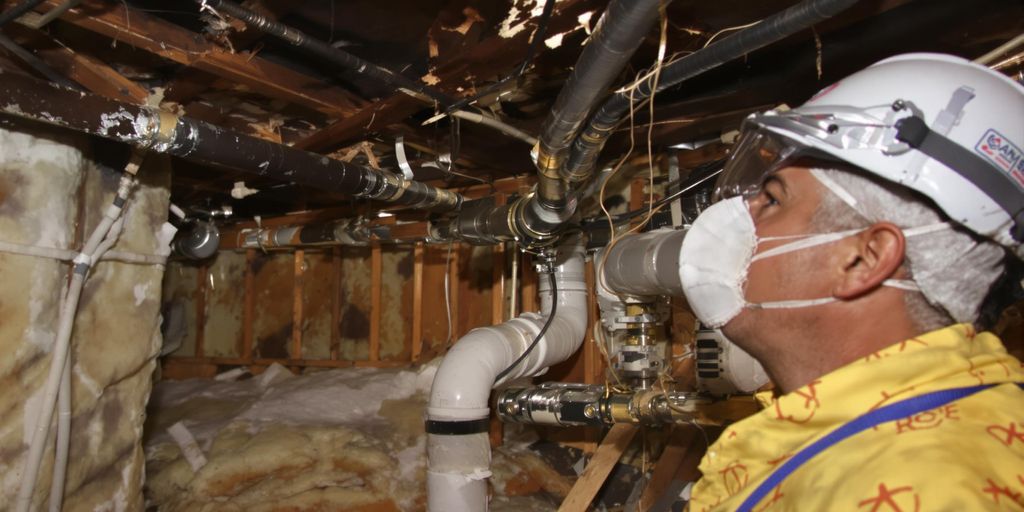
Asbestos was widely used in home construction for decades, so it can be found in various parts of older houses. Key areas include insulation, flooring, and roofing materials. For instance, asbestos-containing insulation might be tucked away in attics or wrapped around pipes. Older vinyl floor tiles and adhesives often included asbestos as well. Roofing shingles and siding could also harbor asbestos, especially if the home was built before the 1980s. Knowing these common locations can help homeowners spot potential risks.
Signs That a Home May Contain Asbestos
While asbestos isn’t always visible, there are a few clues that might hint at its presence. Look for:
- Crumbling or deteriorating insulation, especially around pipes or boilers.
- Floor tiles that are 9×9 inches, which often contained asbestos in older homes.
- A fibrous or wool-like texture in attic insulation, possibly suggesting materials like asbestos wool insulation.
If you suspect asbestos, it’s best to avoid disturbing the material. Asbestos fibers become dangerous when they are released into the air.
The Role of Home Inspections in Detecting Asbestos
A thorough home inspection can be a critical step in identifying asbestos. While general home inspectors may not test for asbestos directly, they can point out areas of concern. For precise identification, hiring a qualified asbestos inspector is recommended. They’ll take samples from suspicious materials and send them for laboratory testing. This process ensures accurate results and helps homeowners understand the extent of the issue. If asbestos is confirmed, compliance with The Asbestos NESHAP regulations is essential to manage and dispose of it safely.
Legal Regulations Surrounding Asbestos in Homes
Federal Guidelines on Asbestos Management
Federal laws play a significant role in regulating asbestos to protect public health. The Environmental Protection Agency (EPA) enforces guidelines under the Clean Air Act and the Toxic Substances Control Act. For example, the EPA’s National Emission Standards for Hazardous Air Pollutants (NESHAP) sets specific rules for how asbestos must be handled during renovations or demolitions. These regulations are designed to minimize airborne asbestos fibers, reducing risks to both workers and residents. Additionally, the Asbestos Hazard Emergency Response Act (AHERA) mandates inspections and management plans for asbestos in schools, which indirectly influences residential awareness. For a detailed overview of asbestos-related laws, refer to the EPA’s comprehensive listing.
State-Specific Laws for Asbestos in Residential Properties
While federal laws set the baseline, states often have their own stricter rules regarding asbestos. Some states require disclosure of asbestos presence during real estate transactions, while others mandate specific licensing for contractors handling asbestos removal. Homebuyers should familiarize themselves with their state’s unique requirements to avoid legal complications. For instance, California and New York have robust asbestos management programs that include mandatory training for abatement professionals.
Homebuyer Rights Regarding Asbestos Disclosure
When purchasing a home, buyers have the right to know about potential asbestos hazards. Many states require sellers to disclose known asbestos-containing materials as part of the property’s condition report. However, if the seller is unaware, this obligation may not apply. To protect themselves, buyers can request a professional asbestos inspection before closing the deal. Awareness of these rights is crucial, especially since asbestos awareness and proper handling remain key to reducing health risks. Always consult a real estate attorney if you suspect incomplete or inaccurate disclosures.
The Importance of Asbestos Testing Before Buying a Home
How Asbestos Testing Is Conducted
Asbestos testing is a detailed process that involves collecting samples from areas in a home where asbestos might be present. Professionals typically use specialized tools to carefully extract a small portion of material without releasing harmful fibers into the air. These samples are then sent to certified laboratories for analysis. Accurate testing is critical to determining whether asbestos is present and what type it is. Homebuyers should always ensure that testing is done by licensed professionals to avoid any safety risks.
When to Consider Professional Asbestos Testing
There are specific situations where professional asbestos testing becomes necessary. For example:
- When purchasing an older home built before the 1980s, as these properties are more likely to contain asbestos.
- If a home inspection reveals potential concerns like deteriorating insulation or old flooring materials.
- Before undertaking any renovations that could disturb materials potentially containing asbestos.
In these cases, hiring a qualified asbestos testing service can provide peace of mind and help buyers make informed decisions.
Costs Associated With Asbestos Testing
The cost of asbestos testing can vary depending on the size of the property and the number of samples required. On average, homeowners can expect to pay between $300 and $800 for a thorough inspection and lab analysis. While this might seem like an added expense, it’s a worthwhile investment. Testing can save buyers significant costs by identifying issues early and preventing more expensive remediation down the line. Knowing the costs upfront also helps in negotiating with sellers for repairs or price adjustments.
Options for Managing Asbestos in Your Home
Encapsulation Versus Removal: What You Need to Know
Managing asbestos in your home often comes down to two main options: encapsulation or removal. Encapsulation involves sealing the asbestos material to prevent fibers from becoming airborne, while removal entails completely eliminating it from the property. Each approach has its pros and cons. Encapsulation is generally less disruptive and more cost-effective, but it leaves the asbestos in place, which might still pose risks if the material gets disturbed in the future. Removal, on the other hand, ensures the hazard is gone for good but typically costs more and requires specialized professionals. Homeowners should carefully assess their situation, including the condition of the asbestos and their long-term plans for the property, before deciding. For more on this, check out asbestos exposure mitigation.
Hiring Licensed Asbestos Abatement Professionals
Whether you choose encapsulation or removal, hiring a licensed asbestos professional is crucial. These experts are trained to handle asbestos safely, following strict regulations to minimize health risks. They will conduct a thorough inspection, recommend the best course of action, and carry out the work using specialized tools and techniques. When looking for a contractor, make sure they are certified and have experience with residential projects. Ask for references, verify their credentials, and get a detailed written estimate before proceeding. Remember, cutting corners on this step could lead to serious health and financial consequences down the line.
Maintaining Safety During Asbestos Management
Safety should always be the top priority when dealing with asbestos. If you’re staying in the home during the process, be sure to follow these precautions:
- Seal off the work area to prevent asbestos fibers from spreading.
- Keep children and pets away from the site until the work is complete.
- Avoid any DIY attempts, as disturbing asbestos materials can release harmful fibers into the air.
After the work is done, insist on a clearance inspection to ensure the area is safe for reoccupation. Regular monitoring and maintenance of any remaining asbestos materials are also essential to avoid future risks. By taking these steps, you can protect your family while addressing this serious issue effectively.
Financial Implications of Asbestos in Real Estate
Impact of Asbestos on Property Value
The presence of asbestos in a property can significantly affect its marketability. Buyers often view asbestos as a red flag due to potential health risks and cleanup costs. In many cases, homes with asbestos may sell for less than comparable properties without it. This reduction in value is often tied to buyers factoring in the expense of future remediation. In some situations, sellers may need to offer concessions, such as covering part of the remediation costs, to make the sale more appealing. For more on this, consider how asbestos presence in a property can influence its perceived value.
Negotiating Repairs or Remediation Costs
When asbestos is identified during a home inspection, it can open the door for negotiations. Buyers may request that the seller address the issue before closing, either by removing the asbestos or by reducing the sale price to offset the cost of remediation. Sellers should be prepared for these discussions and might even benefit from obtaining a professional estimate for asbestos abatement ahead of time. This proactive step can provide clarity during negotiations and help avoid delays in the sale process.
Insurance Considerations for Homes With Asbestos
Insuring a home with asbestos can be a bit more complicated. While most standard homeowners insurance policies won’t cover the cost of asbestos removal, they may cover damages caused by asbestos-related issues, such as accidental exposure during a covered event. It’s wise for buyers to review their policy options carefully and consult with insurance providers about any exclusions or additional coverage that might be necessary. Understanding these details can help homeowners avoid unexpected financial burdens down the line.
Health Precautions for Families Moving Into Homes With Asbestos
Minimizing Exposure Risks for Children and Pets
When moving into a home that contains asbestos, protecting vulnerable family members like children and pets should be a top priority. Asbestos fibers are most dangerous when disturbed and airborne, so keeping these areas sealed and undisturbed is crucial. Limit access to spaces where asbestos might be present, such as attics, basements, or areas with old tiles or insulation. For pets, ensure their bedding and play areas are in asbestos-free zones.
Safe Practices for Living in a Home With Asbestos
Living safely in a home with asbestos requires adopting a few practical habits. Avoid drilling, sanding, or cutting into materials that might contain asbestos. Always keep surfaces clean by using a HEPA-filtered vacuum or wet cleaning methods to prevent fiber release. If you suspect damage, leave the area and consult a professional immediately. For added safety, consider placing regular household inspections on your calendar to monitor the condition of asbestos-containing materials.
When to Seek Medical Advice for Asbestos Exposure
If you believe someone in your household has been exposed to asbestos, especially for prolonged periods, it’s wise to consult a healthcare provider. Early symptoms of asbestos-related illnesses can be subtle, such as persistent coughing or shortness of breath. While not every exposure leads to illness, a medical professional can recommend tests or monitoring to ensure your family’s health remains intact. Staying informed and proactive is your best defense against potential health risks.
The Role of Real Estate Agents in Addressing Asbestos Concerns
How Agents Can Help Identify Potential Asbestos Issues
Real estate agents play a significant role in helping buyers navigate potential asbestos concerns. While they are not inspectors, experienced agents can often recognize red flags that may warrant further investigation. For example, homes built before the 1980s are more likely to contain asbestos in materials like insulation, ceiling tiles, or flooring. Agents can guide buyers to proactively address asbestos concerns in properties, enhancing their appeal as ‘move-in ready’ and safe. This ensures buyers feel confident in their purchase.
Ensuring Proper Disclosure During the Buying Process
One of the key responsibilities of a real estate agent is to ensure that sellers comply with disclosure laws related to asbestos. These laws vary by state but generally require sellers to inform buyers of known hazards in the home. Agents must stay informed about these regulations to protect their clients and avoid legal complications. By ensuring proper disclosure, agents help facilitate smoother home sales and renovations, reducing the likelihood of disputes later on.
Questions to Ask Your Real Estate Agent About Asbestos
When dealing with potential asbestos issues, buyers should feel comfortable asking their agent specific questions, such as:
- Has the seller disclosed any known asbestos in the property?
- Are there local regulations that require asbestos testing or abatement?
- Can you recommend a certified asbestos professional for inspection or testing?
These questions help buyers make informed decisions and highlight the agent’s role in addressing safety concerns. Agents who actively assist their clients in managing these risks demonstrate their commitment to ensuring a smooth and transparent transaction process.
Asbestos Alternatives and Modern Building Materials
Safe Building Materials to Consider
Modern homes no longer rely on asbestos, thanks to the availability of safer, more reliable alternatives. Homeowners are encouraged to use materials like cellulose fiber, polyurethane foam, and amorphous silica fabrics. These options not only provide durability but also offer fire-resistant properties, making them excellent choices for construction and renovation. Additionally, materials such as fiber cement and thermoplastic composites are gaining popularity due to their versatility and safety.
How Modern Homes Avoid Asbestos Risks
Builders today prioritize safety by using advanced materials that eliminate the need for asbestos. For example, engineered wood products and metal panels are commonly used in place of traditional asbestos-containing materials. These modern alternatives are designed to meet strict safety regulations while maintaining structural integrity. Furthermore, many manufacturers clearly label their products as asbestos-free, ensuring transparency for buyers and builders alike.
The Shift Away From Asbestos in Construction Practices
The construction industry has undergone a significant shift, moving away from asbestos in favor of safer practices. This change is driven by stricter regulations and increased awareness of asbestos-related health risks. Builders now focus on sustainable materials that are both eco-friendly and safe for occupants. Innovations like recycled glass insulation and non-toxic mineral wool are paving the way for a healthier future in home construction.
Understanding the Long-Term Implications of Asbestos in Homes
Future Costs of Asbestos Management
Managing asbestos in a home is not a one-time expense. Homeowners may face recurring costs for inspections, maintenance, and eventual removal. These expenses can add up significantly over time, especially if the asbestos poses a risk and needs professional handling. For example, encapsulation—a method of sealing asbestos to prevent it from releasing fibers—can be a temporary fix, but it doesn’t eliminate the problem entirely. Removal, on the other hand, is often more expensive and requires licensed professionals.
Resale Challenges for Homes With Asbestos
Selling a home with asbestos can be tricky. Many buyers are wary of the health risks and potential costs involved. This often results in longer selling times or lower offers. Sellers might need to negotiate repairs or remediation costs to close the deal. Transparency is key; disclosing the presence of asbestos upfront can help build trust with potential buyers and avoid legal issues down the road.
Environmental Impact of Asbestos Removal
The process of removing asbestos isn’t just costly—it also has environmental implications. Asbestos waste must be handled and disposed of carefully to prevent contamination. Licensed facilities are required to manage this waste, but improper disposal can lead to environmental hazards. Understanding these risks underscores the importance of hiring reputable professionals for asbestos removal.
Resources for Homebuyers Concerned About Asbestos
Government and Nonprofit Support for Asbestos Issues
Homebuyers looking for reliable information about asbestos can turn to several government and nonprofit organizations. The Environmental Protection Agency (EPA) is a key resource, offering detailed guidance on asbestos exposure, health risks, and safe handling practices. Their site also includes training materials and advice on what steps to take if asbestos is suspected in a property. For more information, visit the EPA asbestos site.
Nonprofits like the Asbestos Disease Awareness Organization (ADAO) also provide educational tools and support for individuals affected by asbestos-related concerns. These groups often host events, share research updates, and advocate for improved safety regulations, making them valuable allies for homebuyers.
Educational Materials on Asbestos Safety
Understanding asbestos and its risks is critical for anyone considering buying a home. Many organizations provide free or low-cost educational materials that explain how to identify asbestos-containing materials, the importance of testing, and safe management options. The EPA, for instance, has a range of brochures and online resources tailored to homeowners and buyers.
Local health departments and environmental agencies may also offer workshops or printed guides to help educate the public about asbestos safety. These resources can be especially helpful for first-time homebuyers who may not be familiar with the risks.
Finding Certified Asbestos Professionals
When asbestos testing or removal is necessary, hiring a certified professional is non-negotiable. Certified asbestos inspectors and abatement professionals have the training and equipment needed to handle asbestos safely. For those interested in testing materials themselves before hiring a professional, the PRO-LAB Asbestos Test Kit is a practical option for detecting asbestos in materials like popcorn ceilings and floor tiles.
To find certified experts, homebuyers can check state or local government directories, which often maintain lists of licensed asbestos contractors. Additionally, organizations like the National Institute for Occupational Safety and Health (NIOSH) can provide guidance on selecting qualified professionals.
Websites
Robert King Mesothelioma Law Services

Comments are closed.