
Key Takeaways
- In industrial settings, commercial deck and floor coatings are vital for durability, shielding surfaces from intense wear caused by heavy machinery and extensive foot traffic.
- Designed for extreme conditions, commercial coatings outperform residential alternatives by offering superior load capacity and chemical resistance.
- Slip-resistant coatings play a significant role in improving safety within industrial environments, effectively minimizing slip hazards and adhering to worker safety regulations.
- High-performance coatings, equipped with UV resistance, prolong the lifespan of surfaces by preventing deterioration from sunlight, which ultimately lowers maintenance expenses.
- Eco-friendly coatings not only improve indoor air quality but also comply with regulations, marking a responsible choice that can elevate a firm’s reputation in the marketplace.
- Regular inspections of coated surfaces are essential for early detection of potential issues, which helps avert costly repairs and extends the longevity of the coatings.
- Considering seasonal maintenance factors like moisture and UV exposure is crucial to uphold the effectiveness and durability of coated floors and decks.
Understanding the Significance of Industrial Floor Coatings
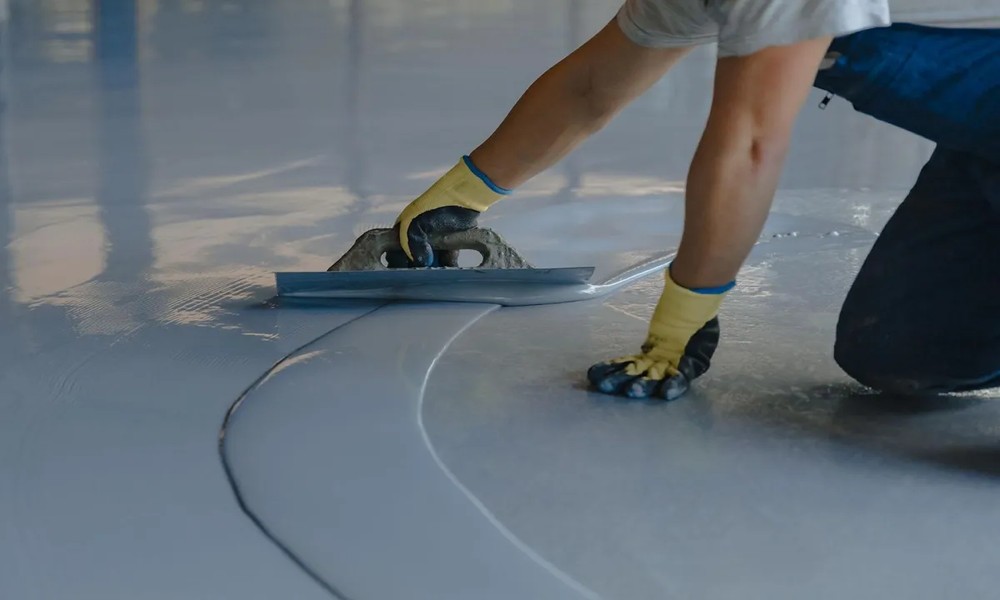
The importance of durability in industrial settings cannot be emphasized enough. Commercial deck and floor coatings act as primary defenses against wear and tear. This focus isn’t simply about looks; it’s about ensuring productivity and safety. Companies looking to invest in coatings are typically searching for robust solutions capable of handling challenging environments, including heavy machinery and busy foot traffic.
What Makes Commercial Coatings Superior to Residential Options?
Differentiating commercial from residential coatings reveals striking contrasts. Commercial coatings are specifically engineered for unmatched durability and superior performance. Residential options, in contrast, usually cater to less demanding situations, lacking the resilience to face the challenges posed by commercial settings.
The advantages include:
- Enhanced Load Capacity: Built to manage significantly heavier loads.
- Increased Chemical Resistance: Formulations designed to withstand spills from a variety of substances.
- Longer Lifespan: Choosing commercial-grade materials generally leads to fewer replacements and repairs over time.
It’s crucial to recognize that what functions well in a residential space may falter in a dynamic commercial environment. The distinctions in structural underpinnings and performance metrics are significant.
The Role of Floor Coatings in Enhancing Safety and Compliance
Safety can’t be compromised in any industrial arena. Coatings can mitigate slip hazards, which is essential in areas where workers navigate heavy items. An appropriate floor coating can function like a safety net. In sectors like manufacturing and warehousing, regulatory standards often require slip-resistant coatings.
Key safety features entail:
- Improved Visibility: High-visibility markings direct foot and vehicle traffic effectively.
- Reduced Surface Contamination: Certain coatings repel chemicals and oils, thereby decreasing the likelihood of hazardous slips.
- Enhanced Durability: High-performance coatings withstand impacts and abrasions, contributing to a safer work environment.
“A slip can lead to downtime and increased costs – a good coating mitigates that risk.”
Key Features of High-Performance Deck Coatings
Choosing the right deck coating hinges on understanding its features. Various components can dictate performance. Not all products measure up, and identifying the right one can considerably affect a coating’s longevity and efficiency.
How UV Resistance Extends the Life of Your Deck
UV rays can damage unprotected surfaces over time. Extended exposure can result in fading, discoloration, and even surface deterioration. High-performance coatings often come with integrated UV inhibitors, shielding against these adverse effects and lengthening lifespan.
So, how does it work? Well, coatings with strong UV resistance form a barrier, preventing damage. By reflecting UV rays, they keep surfaces cooler and avert warping or cracking. This not only improves appearance but also minimizes maintenance costs.
Evaluating Slip Resistance: What Factors Should Be Considered?
Careful assessment of various factors is essential when selecting a slip-resistant coating. Merely picking a coating labeled “slip-resistant” doesn’t ensure safety. Professionals advise taking these into account:
- Texture: A rougher texture typically provides better traction.
- Coating Thickness: Thicker coatings tend to offer greater durability against wear.
- Environmental Conditions: Performance can vary between indoor and outdoor settings.
Each of these components plays a pivotal role in safeguarding worker safety. It’s all about recognizing the specific application and environment for these coatings.
Environmental Impact of Using Industrial Coatings
With sustainability trends gaining momentum, the appetite for eco-friendly coatings is on the upswing. Companies are increasingly evaluating the materials they use in their floor and deck coatings. Embracing green practices benefits not just the planet but also enhances an organization’s image, aligning operations with contemporary consumer values.
Are Eco-Friendly Coatings Worth the Investment?
Debates abound when it comes to choosing eco-friendly coatings. Is it merely a marketing strategy? Experts affirm that investing in these alternatives often results in substantial long-term advantages. Generally, eco-friendly coatings contain fewer harmful chemicals, which significantly improves indoor air quality. This aspect is particularly crucial in space-constrained work environments.
Key considerations include:
- Health Benefits: Protecting employees from volatile organic compounds (VOCs) fosters a healthier workplace.
- Regulatory Compliance: Many industries now face stricter regulations on chemical emissions.
- Brand Reputation: Firms that prioritize sustainability often gain a competitive edge.
“Choosing eco-friendly options is more than a trend; it’s a responsible business practice.”
The Benefits of Low-VOC Options for Commercial Spaces
Low-VOC coatings have gained popularity among contractors. These products markedly cut down on harmful emissions during application and curing phases. The result? Improved air quality and a healthier working atmosphere. Using these coatings aligns with environmental targets and ensures adherence to various regulations.
The benefits comprise:
- Improved Indoor Air Quality: Healthier environments lead to increased employee satisfaction.
- Quick Return to Service: Faster curing times minimize operational disruptions.
- Long-Term Savings: Reduced maintenance and repair costs contribute to overall savings.
Best Practices for Maintenance and Care of Coated Surfaces
Once a commercial coating is applied, the focus shifts to maintenance. Diligent care can greatly enhance the lifespan of coatings, ensuring companies maximize the benefits of their investments. Regular inspections along with a consistent maintenance regimen yield significant returns.
How Regular Inspections Can Prevent Costly Repairs?
Effective maintenance hinges on detecting issues early. Regular inspections can identify wear, cracks, or other concerns that could compromise the coating’s stability. It’s advisable for business leaders to schedule semi-annual evaluations at minimum.
- Surface Condition: Watch for any signs of peeling or chipping.
- Color Fading: This indicates UV damage and may require reapplication.
- Grout and Sealant Integrity: These areas should be well-maintained and resealed as needed.
Adopting a solid inspection routine can prevent minor issues from escalating into major repairs.
Seasonal Considerations for Maintaining Coated Floors and Decks
Seasonal changes present distinct challenges for the upkeep of coated surfaces. Fluctuating temperatures, moisture levels, and scuffing can all impact a coating’s performance and lifespan. Addressing these challenges calls for strategic planning.
Some practical tips encompass:
- Winter Precautions: Snow and ice can be abrasive; utilizing appropriate de-icer products is preferable to sand.
- Summer Checks: UV protective maintenance may need to occur more frequently.
- Wet Conditions: Look out for water pooling, which may indicate drainage issues.
Being proactive can significantly enhance the resilience of deck and floor coatings in the face of seasonal conditions.
FAQ
What factors should businesses consider when selecting a coating contractor?
Choosing the right contractor is essential. Factors such as experience with commercial applications, reputation, and knowledge of specific coating technologies can greatly influence project outcomes. Professionals suggest reviewing past work and client testimonials to evaluate reliability.
How do temperature and humidity affect the application of coatings?
Temperature and humidity levels can have a notable impact on the curing process of coatings. High humidity may extend drying times, while very low temperatures could hinder proper adhesion. Consulting suppliers to determine optimal application conditions is crucial for businesses.
Are there specific maintenance products recommended for coated surfaces?
Utilizing appropriate maintenance products is vital for preserving coating integrity. Many experts advocate for pH-neutral cleaners to avoid damaging surfaces. Additionally, reapplying protective topcoats may be beneficial to sustain durability over time.
Can floor coatings improve energy efficiency in commercial spaces?
Certainly. Certain coatings possess reflective properties that can diminish heat absorption. This leads to lower cooling costs during warmer months, adding extra value to the overall investment in floor coatings.
How often should coatings be reapplied for optimal performance?
The timing of reapplication depends on usage patterns and environmental factors. Typically, professionals recommend annual surface assessments. More frequent evaluations may be necessary in high-traffic zones or harsh environments.
What innovations are emerging in the field of industrial coatings?
Innovations are increasing, particularly with developments in nanotechnology and bio-based materials. These advancements aim to bolster durability and performance while minimizing environmental impacts. Staying informed about these trends can provide businesses with the latest solutions.
What are the consequences of neglecting maintenance on coated surfaces?
Failure to maintain surfaces can result in significant deterioration, including peeling and cracking. Such complications could escalate to a point where either costly repairs or complete recoating becomes unavoidable. Regular maintenance is a simple yet effective means to mitigate these risks.
How do industrial coatings contribute to regulatory compliance?
Industrial coatings frequently comply with strict safety and health standards. By selecting the appropriate products, businesses can ensure adherence to regulations regarding VOC emissions and slip resistance. Compliance not only helps avoid penalties but also strengthens workplace safety.

Comments are closed.