
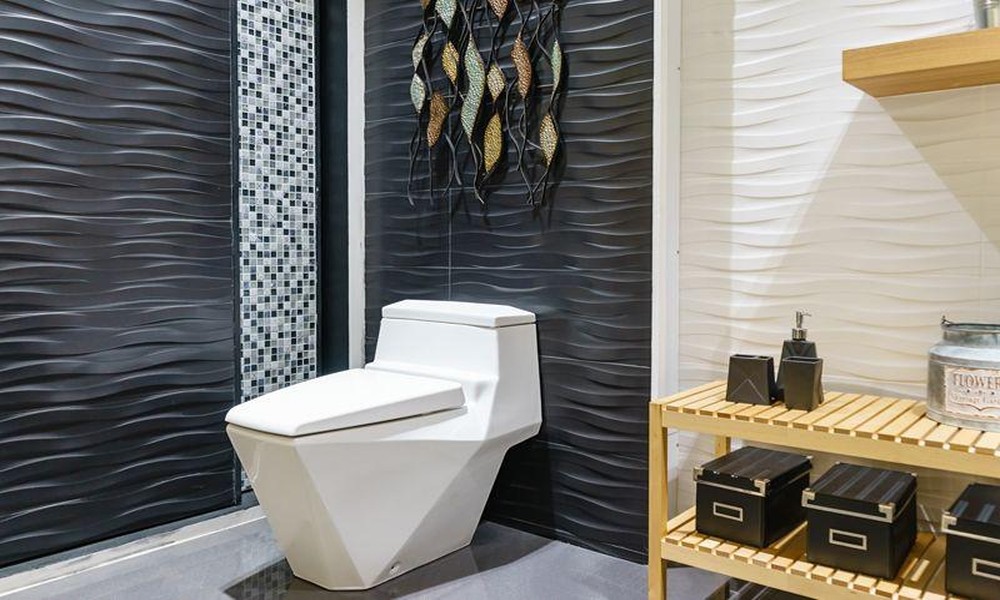

Designing a toilet looks straightforward on paper. Fixtures, tiles, and fittings are done. In reality, poor planning choices in toilet design in Singapore frequently surface months or years later as leaks, mould, blocked drains, and constant repairs. The local climate, compact layouts, and daily usage patterns demand far more attention than many homeowners realise.
Let us break down five common mistakes that continue appearing in renovation projects across Singapore homes!
1. Underestimating Waterproofing Beyond the Shower Area
Waterproofing failures remain one of the most expensive issues to fix in any toilet. A common mistake is limiting waterproofing to shower zones, assuming the rest of the toilet remains dry. In Singapore, humidity levels often stay high throughout the year. Water splashes, condensation, and cleaning routines expose floors and walls daily.
Inadequate waterproofing leads to seepage beneath tiles, causing hollow sounds, cracked grout, and water stains appearing in adjacent rooms. In HDB flats and condominiums, this often results in disputes with neighbours downstairs once leaks emerge. Repairs usually involve hacking tiles and reapplying membranes, disrupting daily routines.
A more reliable approach treats the entire toilet floor as a wet zone. Extending waterproofing slightly up the walls reduces long-term risks.
2. Poor Floor Gradient and Drain Placement
A visually appealing toilet loses value quickly when water pools around corners or near the door. Incorrect floor gradients remain surprisingly common, especially in compact bathrooms where space constraints limit flexibility.
Water should flow naturally towards the floor trap without requiring manual wiping after every shower. Poor gradient planning results in stagnant water, increasing slip risks and encouraging mould growth. Over time, constant dampness weakens grout lines and emits persistent odours.
Drain placement also matters. Installing drains too close to walls or under fixtures complicates cleaning and reduces efficiency. In some cases, hair and debris accumulate faster due to restricted flow angles. Thoughtful gradient planning ensures water management remains invisible and effortless, which is the true mark of good toilet design in Singapore homes.
3. Choosing Materials That Do Not Handle Humidity Well
Material selection often prioritises appearance while overlooking performance. High-gloss finishes, porous stones, and untreated wood accents may look appealing in showrooms. These materials demand constant upkeep or deteriorate prematurely, especially in humid climates.
Tiles with high porosity absorb moisture, leading to discolouration and staining. Timber elements swell or warp over time. Even metal fittings corrode faster when exposed to trapped moisture. Once damage becomes visible, replacement costs exceed initial savings made during renovation.
Practical toilet design favours materials tested for humidity resistance. Matte tiles with slip resistance, non-porous surfaces, and corrosion-resistant fittings maintain their condition with less effort. The goal involves reducing daily maintenance rather than adding another task to already busy routines.
ALSO READ: What to Know Before Shopping for a Toilet in Singapore: Design, Function & Fit
4. Ignoring Ventilation and Airflow Planning
Ventilation problems rarely show immediate effects, which makes them easy to overlook. Many toilets rely solely on small exhaust fans or natural ventilation, which proves insufficient during heavy usage.
Poor airflow traps moisture, accelerating mould growth on ceilings, silicone joints, and hidden corners. Even regular cleaning fails to prevent stains when moisture lingers. Over time, mould spores affect indoor air quality, causing discomfort for occupants.
Effective ventilation planning supports long-term durability. Well-positioned exhaust fans, proper ducting, and unobstructed airflow paths help moisture exit quickly. Airflow deserves equal priority to aesthetics. A fresh-smelling toilet without visible mould signals successful ventilation planning.
5. Overlooking Accessibility and Maintenance Access
Designing a sleek, minimalist toilet often leads to hiding essential components. Concealed pipes, tightly fitted cabinetry, and boxed-in fixtures look clean initially but complicate maintenance later.
When leaks occur behind walls or under vanities, accessing the problem requires dismantling finished surfaces. Simple repairs escalate into expensive renovations. In some cases, homeowners delay fixes due to inconvenience and worsening damage over time.
Removable panels, accessible stop valves, and thoughtful spacing allow repairs without destruction. Toilet design benefits from anticipating future maintenance rather than assuming perfection lasts forever.
Why These Mistakes Keep Repeating
Many of these issues stem from rushed planning or over-reliance on visual inspiration without technical understanding. Toilets face daily wear, moisture exposure, and frequent cleaning. Design decisions must support these realities.
Avoiding these mistakes does not require luxury budgets. It requires clarity, prioritisation, and awareness of local conditions. Strong toilet design in Singapore focuses on durability, safety, and ease of upkeep rather than trends alone.
Visit Living Comforts for interior space design ideas and inspiring décor tips that help enhance your home with confidence and foresight.
5 Toilet Design Mistakes in Singapore That Often Lead to Long-Term Maintenance Issues
