
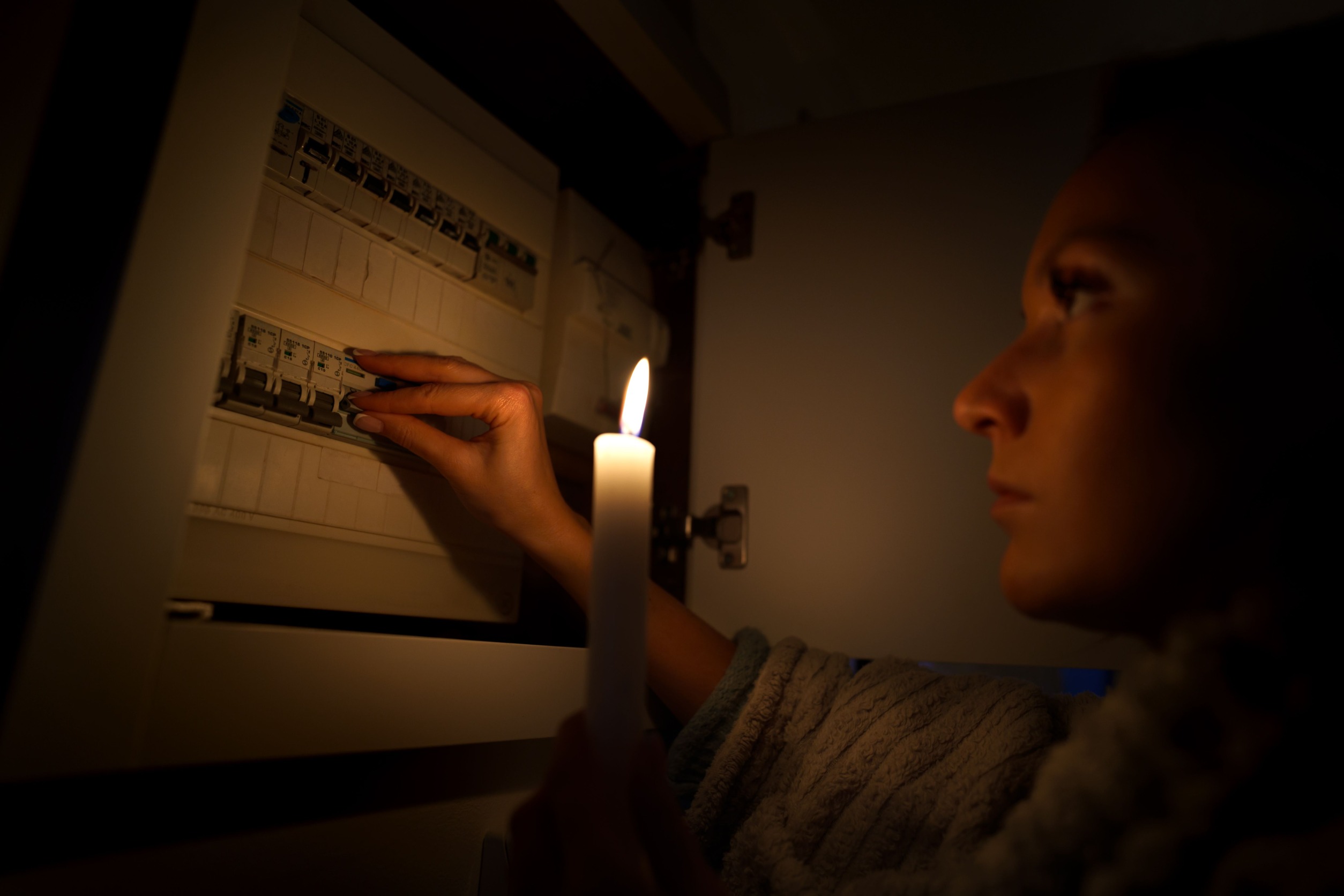
Electrical issues can be stressful—especially when part of your Austin, Texas home suddenly loses power, yet the breaker hasn’t tripped and everything looks normal in the electrical panel. This problem is more common than most homeowners realize, and while the cause may seem mysterious, the underlying issues often relate to wiring faults, aging components, or loose connections that require the expertise of a Residential Electrician Austin homeowners can trust.
In this detailed guide, we’ll break down the most common reasons why part of your home may lose power without a tripped breaker, the warning signs to watch for, and whether this is something a handy homeowner can fix—or when you should call a licensed professional electrician in Austin, Texas.
Understanding the Basics: Why Breakers Don’t Always Trip
Your home’s electrical breakers are designed to protect circuits from overloads or short circuits. When something pulls too much current, the breaker should automatically trip off.
But when a breaker doesn’t trip while a section of the home is without power, it usually means the issue is not excess current—but rather an interruption in the circuit somewhere between:
- The breaker panel
- The wiring
- The outlets
- The fixtures
- The neutral connections
Or even the utility’s main feed into your home.
This is why homeowners often need a Residential Electrician Austin to perform a deeper diagnosis.
Top Reasons Your Home Has No Power Even Though the Breaker Hasn’t Tripped
Below are the most common causes Austin, Texas homeowners encounter.
- A Loose or Faulty Neutral Wire
One of the biggest hidden sources of partial power loss is a loose neutral connection—especially in older homes or homes that have undergone DIY electrical work.
How it happens:
- Neutrals become loose over time due to heat expansion.
- Poor DIY connections were improperly installed.
- Rodents or pests damaged wiring in the attic.
- Vibration or poor tightening causes terminals to loosen.
Why it’s dangerous:
A loose neutral can lead to:
- Flickering lights
- Intermittent power loss
- Damaged appliances
- Overheating wires
- Risk of electrical fire
This is not a DIY fix. Neutral issues require immediate attention from a licensed Residential Electrician Austin due to shock and fire hazards.
- A Failed Outlet or Device Mid-Circuit
Many circuits run from outlet to outlet, so one bad device can kill power to everything downstream.
Signs this is the problem:
- Some outlets work, others don’t.
- You recently plugged in a high-demand device (space heater, hair dryer, vacuum).
- You smell a burning plastic odor from an outlet.
- You see scorch marks or discoloration on a device.
This is particularly common in older Austin, Texas homes with original outlets or homes where contractors used backstabbed connections (wires pushed into the back of outlets instead of screwed down). These fail frequently.
- Faulty Light Fixture, Fan, or Switch
If a fixture or switch fails internally, it can cut power to part of a circuit.
Warning signs:
- Fixtures that buzz or flicker before dying
- Recently replaced bulbs burning out quickly
- Switches that feel warm or loose
Sometimes the breaker won’t trip because the current isn’t high enough—the device simply fails.
- GFCI Outlet Has Tripped Somewhere
Even if the breaker hasn’t tripped, a GFCI outlet controlling multiple outlets can trip and cut power to:
- Bathrooms
- Kitchens
- Garages
- Outdoors
- Laundry rooms
Austin, Texas homeowners often overlook GFCIs in:
- Garage corners
- Exterior walls
- Behind appliances
- Guest bathrooms
Resetting the correct GFCI may restore power, but if it keeps tripping, you need a Residential Electrician Austin to troubleshoot why.
- Damaged Wiring in the Walls or Attic
Austin, Texas homes—especially older properties or houses remodeled multiple times—commonly experience wiring damage from:
- Rodents
- Heat exposure in attic spaces
- Settling foundations
- Nail punctures during renovations
- Moisture or corrosion
This type of issue can cause intermittent or partial power loss.
Why it’s serious:
Damaged wiring can spark, arc, or overheat behind the walls—creating a hidden fire hazard.
- A Partial Utility Power Loss (Loose Service Drop)
Sometimes the problem isn’t in your home at all.
If the utility’s service line feeding your home has a loose neutral or one leg of the 240V supply is failing, you may lose power in:
- Half the house
- Part of a room
- Large appliances like dryers or ovens
This issue is more common than people think, especially after:
- High winds
- Storms
- Tree branch interference
- Squirrels damaging overhead lines
Your electrician can test this safely and coordinate with Austin Energy if needed.
- Overloaded Circuit That Is Working but Struggling
A breaker may not trip even though the circuit is overloaded—especially if the breaker is old or failing.
Signs include:
- Warm outlets
- Flickering lights
- Light dimming when appliances turn on
- Power loss during heavy load times
Upgrading the circuit or redistributing loads is a job for a Residential Electrician Austin professional.
Should Austin, Texas Homeowners Try to Fix This Themselves?
DIY or Call a Licensed Electrician?
Here’s the honest breakdown:
✔ Safe DIY Checks (Okay for Homeowners)
You can safely check:
- Plug lamps or devices into other outlets to confirm the outage
- Reset all GFCIs in your house
- Check if a switch controls part of the circuit
- Make sure no appliances have blown a fuse in a power strip
- Test outlets with a simple plug-in tester (no panel work)
These steps are low-risk.
✘ What You Should Not Do as a DIYer
Avoid:
- Opening the electrical panel
- Tightening breakers or wires
- Replacing outlets if you’re not experienced
- Working on switches that show signs of heat
- Troubleshooting neutrals
- Splicing wires behind walls
- Working on attic wiring
These tasks carry a high risk of shock, fire, or improper repair.
Electricity in the panel can kill within milliseconds.
Why Hiring a Licensed Residential Electrician Austin Is the Smart Choice
Here’s why Austin, Texas homeowners should call a professional:
- They Perform Advanced Diagnostics
Electricians use:
- Circuit analyzers
- Voltage testers
- Infrared cameras
- Continuity meters
…to find issues quickly and safely.
- They Handle Dangerous Neutral and Panel Issues
A loose neutral is one of the most dangerous electrical problems, and only a trained electrician should address it.
- They Ensure Code Compliance
Austin electrical codes are strict—and constantly updated. A licensed electrician ensures repairs:
- Meet city requirements
- Pass inspections
- Protect your home insurance coverage
- They Prevent Repeat Problems
Many DIY fixes only treat the symptom, not the cause.
A pro identifies the root problem and stops future breakdowns.
- They Protect Your Home from Fire Risks
Electrical faults are a leading cause of house fires.
A licensed electrician protects your safety and property.
When to Call a Residential Electrician Austin Immediately
Call a professional right away if you notice:
- A burning smell
- Buzzing outlets or panels
- Hot switches or outlets
- Scorch marks
- Smoke
- Flickering lights
- Multiple rooms losing power
- Lights getting brighter or dimmer unexpectedly
- Power loss after a storm
- Appliances malfunctioning across one half of the house
These are signs of a serious electrical hazard.
Final Thoughts: A Breaker Not Tripping Doesn’t Mean Everything Is Safe
If part of your Austin home has no power—even though the breaker seems fine—there’s almost always an underlying issue that needs expert diagnosis. While some simple checks are safe for homeowners, most causes require the skill and tools of a licensed Residential Electrician Austin to diagnose and repair properly.
Electrical problems are not something to guess at. Handling them incorrectly risks shock, fire, and property damage. If you’re experiencing unexplained power loss, it’s best to call a professional who can quickly identify the issue and restore your home to safe, reliable operation.

Comments are closed.