
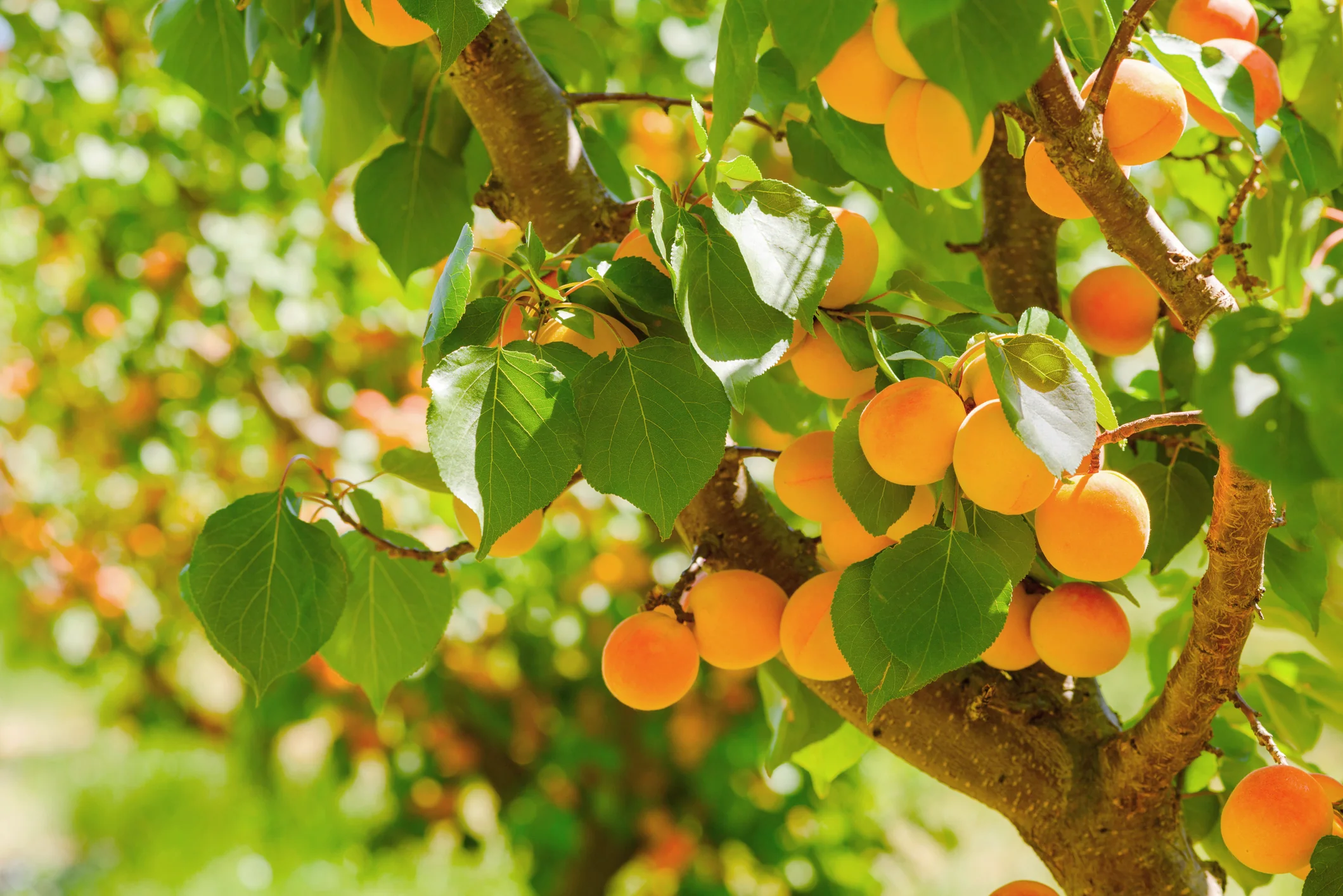

Urban heat islands (UHIs) are an increasingly pressing issue for cities across the world. These are areas within urban environments that experience significantly higher temperatures than their rural counterparts, mainly due to human activities and infrastructure development. As cities grow and concrete landscapes expand, the natural cooling mechanisms, such as vegetation and open water, are often replaced by heat-retaining materials like asphalt and buildings. One potential solution to mitigate the effects of UHIs is the planting of fruit trees in urban areas as fruit-trees.com talked about in an article, a practice that offers not only environmental benefits but also contributes to community health and food security.
In this article, we explore the role of fruit trees in combating urban heat islands, with a special focus on their benefits for urban environments and oral health. Along the way, we’ll also touch upon how people can support these initiatives, such as when they choose to buy fruit trees for their gardens or local community spaces.
The Problem of Urban Heat Islands
Urban heat islands are primarily caused by the high concentration of heat-absorbing surfaces in cities—roads, buildings, and industrial areas—all of which radiate heat back into the atmosphere, causing the surrounding air temperature to rise. This effect is exacerbated by the lack of greenery in urban areas, as vegetation helps to cool the air through the process of transpiration, where plants release moisture that cools the surrounding environment.
In some cities, the difference in temperature between urban centres and their surrounding rural areas can be as much as 5-7°C. This rise in temperature not only leads to discomfort for city residents but also contributes to a host of problems, including increased energy consumption, poorer air quality, and elevated risks of heat-related illnesses. Moreover, with climate change leading to longer, hotter summers, the need to address urban heat islands is more urgent than ever.
How Fruit Trees Can Help
Trees in general are an excellent way to counteract the effects of UHIs, but fruit trees provide an extra dimension of benefits. Not only do they help to cool the environment, but they also provide a sustainable source of fresh, healthy produce. This can be particularly beneficial in urban areas, where access to fresh fruit is often limited, and where food deserts—areas where healthy food options are scarce—are common.
A nursery specialist from CRJ FruitTrees emphasizes, “Fruit trees are an ideal choice for urban settings, not just because of their cooling effects, but because they can provide a source of nutritious food for local communities. When people choose to plant fruit trees, they’re investing in both the health of the planet and the health of their neighbours.” This dual benefit makes fruit trees a practical and rewarding choice for city planners and residents alike.
Cooling Effects of Trees in Cities

Trees, especially those with large canopies, provide shade that cools the surfaces beneath them, helping to reduce the heat absorbed by pavements and buildings. The shade provided by trees can lower surface temperatures by as much as 10-25°C. In addition to shading, trees cool the surrounding air through transpiration. This process involves trees absorbing water from the soil, which is then released into the atmosphere as water vapour, helping to reduce the ambient temperature.
Fruit trees are no exception when it comes to these cooling effects. Apple, pear, and plum trees, for instance, can offer significant shade while also providing fresh produce. By increasing tree cover in cities, particularly with fruit-bearing varieties, urban planners can help to reduce the overall temperature of the city, making it more comfortable for residents and helping to reduce the need for energy-intensive cooling solutions like air conditioning.
The Role of Fruit Trees in Improving Air Quality
Another important way that fruit trees can help to mitigate urban heat islands is by improving air quality. Trees absorb pollutants such as carbon dioxide, ozone, and nitrogen oxides, which are common in cities due to vehicle emissions and industrial activities. The presence of trees in urban environments can help to filter out these pollutants, reducing their concentration in the air and contributing to better overall air quality.
Cleaner air means fewer respiratory problems for city residents, which can have a positive impact on overall public health. But the benefits of improved air quality don’t stop there. Research has shown that better air quality also has significant benefits for oral health. Air pollution has been linked to a higher risk of gum disease and other oral health problems, as pollutants can exacerbate inflammation in the mouth. By helping to clean the air, fruit trees can indirectly contribute to better oral health outcomes for urban residents.
Fruit Trees, Nutrition, and Oral Health
In addition to their environmental benefits, fruit trees also contribute directly to public health by providing a source of fresh, nutritious food. Access to fresh fruit is essential for maintaining good oral health. Fruits are rich in vitamins and minerals that support healthy gums and teeth, and they can help to prevent oral health problems like tooth decay and gum disease.
Vitamin C, which is found in high concentrations in fruits like apples, pears, and citrus fruits, is particularly important for maintaining healthy gums. A diet rich in fruits can help to reduce the risk of developing periodontal disease, a condition that affects the gums and can lead to tooth loss if left untreated. Additionally, the act of chewing fruits like apples and pears can help to stimulate saliva production, which is crucial for neutralising acids in the mouth and washing away food particles that could lead to tooth decay.
In cities, where processed foods and sugary snacks are often more readily available than fresh produce, planting fruit trees can help to combat poor nutrition and its negative effects on oral health. By providing a source of fresh, healthy food, fruit trees can help to promote better oral health outcomes for city residents, particularly in underserved communities.
Urban Greening and Community Health
Planting fruit trees as part of an urban greening initiative offers more than just environmental and health benefits. It can also strengthen communities by bringing people together around a common goal: improving their local environment and ensuring a sustainable source of food. Urban orchards, community gardens, and school planting projects are becoming increasingly popular in cities across the UK, as people recognise the benefits of greening their surroundings and fostering a sense of community.
These projects not only provide fresh fruit for local residents but also create green spaces where people can gather, relax, and socialise. Green spaces have been shown to reduce stress, improve mental health, and foster a sense of belonging within communities. By planting fruit trees, urban residents can create beautiful, functional spaces that benefit both the environment and their wellbeing.
When individuals or community groups buy fruit trees to plant in their local neighbourhoods, they are not only contributing to the fight against urban heat islands but are also investing in their community’s future. Fruit trees take time to mature, but once they do, they provide a reliable source of food year after year. This makes them a long-term investment in both environmental sustainability and community resilience.
Urban Heat Islands and Climate Change
The issue of urban heat islands is closely linked to the broader challenge of climate change. As global temperatures rise, cities are likely to experience more frequent and intense heatwaves, making the effects of urban heat islands even more pronounced. Planting trees, particularly fruit trees, can help cities to become more resilient in the face of climate change by reducing the overall temperature and making urban areas more comfortable and liveable.
Moreover, fruit trees can contribute to the fight against climate change by absorbing carbon dioxide, one of the key greenhouse gases driving global warming. Over their lifetime, trees can sequester a significant amount of carbon, helping to offset the carbon emissions produced by human activities in cities. By choosing to buy fruit trees and plant them in urban areas, individuals can play a small but meaningful role in the global effort to combat climate change.
Challenges and Considerations
While fruit trees offer numerous benefits for urban environments, there are some challenges that need to be considered. Fruit trees require regular care and maintenance, including pruning, watering, and protection from pests. In urban environments, where space is limited and pollution levels can be high, it’s important to choose the right types of fruit trees and ensure that they are planted in locations where they can thrive.
For example, certain fruit trees, such as apple and pear trees, are well-suited to the UK’s climate and can tolerate a range of growing conditions. However, they will still need adequate sunlight and water to produce fruit. It’s also important to consider the potential for fruit drop, which can create a mess if the trees are planted near pavements or in high-traffic areas.
Despite these challenges, the benefits of planting fruit trees in urban environments far outweigh the potential drawbacks. With the right care and attention, fruit trees can thrive in cities, providing a valuable source of food and cooling, while also enhancing the beauty and livability of urban areas.
Conclusion: A Greener, Healthier Future
As cities continue to grow and the effects of climate change become more pronounced, it is essential to find solutions that can make urban areas more sustainable and resilient. Fruit trees offer a practical, long-term solution to the problem of urban heat islands, providing cooling, improving air quality, and offering a source of fresh food for city residents.
By choosing to buy fruit trees and plant them in urban areas, individuals, communities, and city planners can contribute to a greener, healthier future. The benefits of fruit trees extend beyond their environmental impact—they also play a key role in improving public health, both by providing nutritious food and by contributing to cleaner air. With the right planning and support, fruit trees can help cities to become more liveable, sustainable, and resilient in the face of the challenges posed by urbanisation and climate change.
